How Does Commercial Truck Repair Tucson Help Businesses

How Does Commercial Truck Repair Tucson Help Businesses

Commercial truck downtime can quickly disrupt deliveries, reduce productivity, and impact business operations. For trucking companies operating throughout Southern Arizona, having access to experienced technicians who understand complex semi-truck systems is essential when repairs cannot wait.

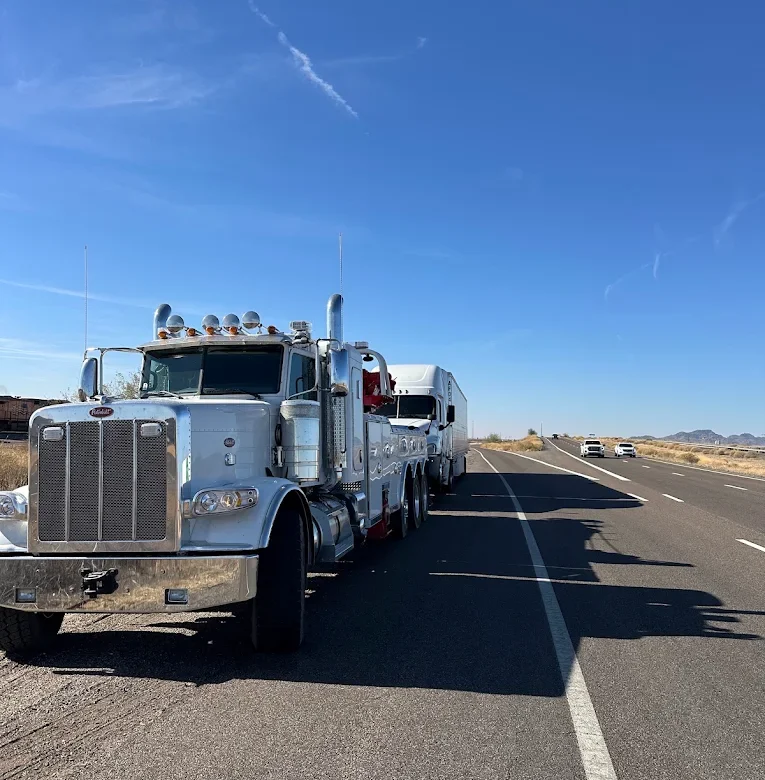
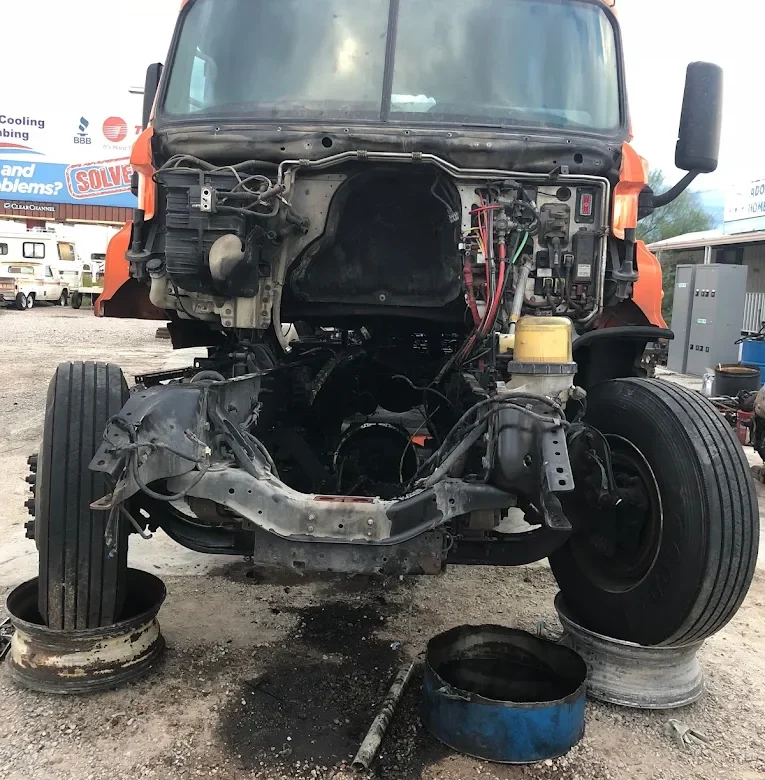
Tucson Truck Repair & Towing helps businesses reduce downtime with dealership-level diagnostics, heavy-duty semi-truck repairs, mobile repair services, roadside assistance, and towing support. Our team specializes in diagnosing and repairing complex commercial vehicle issues, including engine problems, electrical failures, aftertreatment system faults, transmission concerns, and other heavy-duty repairs that require advanced technical knowledge.

Having access to reliable commercial truck repair in Tucson gives fleet managers, trucking companies, and owner-operators a trusted resource for addressing failures quickly, identifying the true cause of breakdowns, and getting trucks back on the road with dependable repair solutions.

Why Professional Commercial Truck Repair Matters for Businesses

Commercial trucks operate under demanding conditions every day. Long-distance routes, heavy loads, extreme temperatures, and constant use place significant stress on engines, transmissions, electrical systems, emissions components, and other critical systems.

When a truck develops a problem, choosing the right repair provider can make a major difference. A quick repair that only addresses symptoms may lead to repeat failures, additional downtime, and higher costs. Professional commercial truck repair focuses on finding the root cause of the issue and completing repairs correctly the first time.

For trucking businesses, reliable repairs provide several important advantages:

  • Reduced vehicle downtime
  • Improved fleet reliability
  • Fewer unexpected breakdowns
  • Better scheduling consistency
  • Protection against costly major failures

A dependable repair partner allows fleet managers and drivers to focus on deliveries instead of worrying about recurring mechanical problems.

Advanced Diagnostics Help Identify Problems Faster

Modern semi-trucks rely on advanced computer systems, sensors, and electronic controls. Diagnosing these vehicles requires more than basic mechanical knowledge. Technicians need the right tools and experience to understand how different systems work together.

Tucson Truck Repair & Towing uses advanced diagnostic software and equipment to troubleshoot commercial trucks accurately. This allows technicians to analyze fault codes, inspect system performance, and identify the actual source of a problem instead of replacing parts through trial and error.

Accurate diagnostics are especially important for issues involving:

  • Engine performance problems
  • Electrical failures
  • Transmission concerns
  • Brake system issues
  • Aftertreatment system faults
  • Sensor and wiring problems

Accurate diagnostics allow businesses to avoid unnecessary component replacement, reduce repeat failures, and address the underlying cause of truck breakdowns.

Heavy-Duty Truck Repair in Tucson for Complex Mechanical Failures

Not every repair shop is equipped to handle major commercial truck failures. Heavy-duty vehicles require specialized knowledge and experience, especially when dealing with complex systems that keep trucks operating safely.

Tucson Truck Repair & Towing provides professional repairs for major truck components, including engines, transmissions, differentials, electrical systems, and other heavy-duty systems.

Common commercial truck repair needs include:

  • Engine troubleshooting and repairs
  • Transmission and clutch issues
  • Differential repairs and replacements
  • Cooling system problems
  • Electrical diagnostics
  • Air system repairs
  • Drivetrain concerns

For trucking companies, working with technicians who understand these systems helps reduce delays and ensures repairs are performed with the level of expertise heavy-duty vehicles require.

Specialized Aftertreatment System Diagnostics and Repairs

Modern diesel trucks depend on advanced emissions systems to operate properly. Components such as diesel particulate filters (DPF), diesel oxidation catalysts (DOC), selective catalytic reduction (SCR) systems, and DEF components require accurate diagnosis when problems occur.

Aftertreatment failures can create performance issues, warning lights, reduced power, and unexpected downtime if they are not properly addressed.

Tucson Truck Repair & Towing has experience diagnosing complex aftertreatment system issues by analyzing important system data, including sensor readings and performance information. Proper troubleshooting helps determine whether a problem involves components, sensors, wiring, or other related systems.

For fleet operators, accurate aftertreatment repairs can help prevent unnecessary downtime and keep trucks operating efficiently.

Mobile Commercial Truck Repair Helps Reduce Delays

A truck breakdown does not always happen near a repair facility. When a semi-truck experiences a problem on the road, waiting for transportation or towing can create additional delays.

Mobile commercial truck repair services provide a practical solution by bringing experienced technicians and diagnostic capabilities directly to the vehicle when possible.

Tucson Truck Repair & Towing provides roadside repair support for commercial trucks throughout Tucson and surrounding areas. Mobile services can help address issues such as:

  • Engine problems
  • Electrical concerns
  • Air system failures
  • Diagnostic needs
  • Mechanical issues that can be repaired safely roadside

When repairs cannot be completed at the location, professional towing services help transport the truck safely for further repair.

Commercial Truck and Trailer Repair Support

A commercial vehicle is more than just the tractor. Trailer problems can also interrupt deliveries and create operational challenges.

Trailer issues involving axles, structural components, electrical systems, and other equipment can quickly bring business operations to a stop.

Tucson Truck Repair & Towing provides support for commercial truck and trailer repair needs, helping businesses address problems with both trucks and trailers. Having one experienced provider available for multiple repair needs simplifies the process and reduces delays.

How Reliable Repairs Help Protect Business Operations

For trucking companies, downtime creates challenges that extend beyond the repair invoice. A delayed truck can affect delivery commitments, customer relationships, and overall productivity.

Working with an experienced commercial truck repair Tucson provider helps businesses maintain more predictable operations.

Reliable repair services can help companies:

Maintain Delivery Schedules

When trucks remain operational, drivers can continue completing routes and meeting customer expectations.

Reduce Repeat Problems

Proper diagnostics and complete repairs help prevent temporary fixes that lead to recurring breakdowns.

Improve Fleet Confidence

Fleet managers can operate with greater confidence when they have access to technicians who understand their equipment and repair needs.

Protect Equipment Investments

Commercial trucks represent significant investments. Regular attention to mechanical issues helps protect the value and performance of those vehicles.

Why Businesses Choose Tucson Truck Repair & Towing

Commercial truck owners and fleet operators need a repair provider they can depend on when problems occur. Tucson Truck Repair & Towing focuses on helping businesses solve complex truck issues with experienced technicians, advanced diagnostics, and practical repair solutions.

The team works on heavy-duty commercial vehicles and understands the demands placed on trucks operating throughout Southern Arizona. From roadside troubleshooting to major mechanical repairs, the goal is to provide accurate service that helps customers minimize downtime.

Whether a truck needs diagnostic support, engine repairs, transmission service, aftertreatment troubleshooting, or emergency assistance, having an experienced repair partner can make a significant difference.

Keep Your Commercial Trucks Moving With Expert Repair Support

Truck breakdowns can create costly disruptions, but the right repair provider can help reduce the impact. Professional commercial truck repair in Tucson gives businesses access to experienced technicians, advanced diagnostics, and reliable solutions for complex heavy-duty vehicle problems.

Tucson Truck Repair & Towing provides semi-truck repair, mobile repair services, diagnostics, towing, and heavy-duty solutions for businesses throughout Tucson, Marana, Benson, Nogales, and surrounding Southern Arizona routes. Our team supports commercial vehicles with reliable repair solutions designed to reduce downtime and help drivers return to the road as quickly as possible. When your truck needs expert attention, Tucson Truck Repair & Towing is ready to provide experienced support.

Keep your fleet operating efficiently with dependable commercial truck repair, roadside assistance, and diagnostic services from Tucson Truck Repair & Towing.

Request service today for semi-truck repair, roadside assistance, diagnostics, and towing support throughout Southern Arizona.
Why Are Mobile Crane Services Important During Recovery

Why Are Mobile Crane Services Important During Recovery

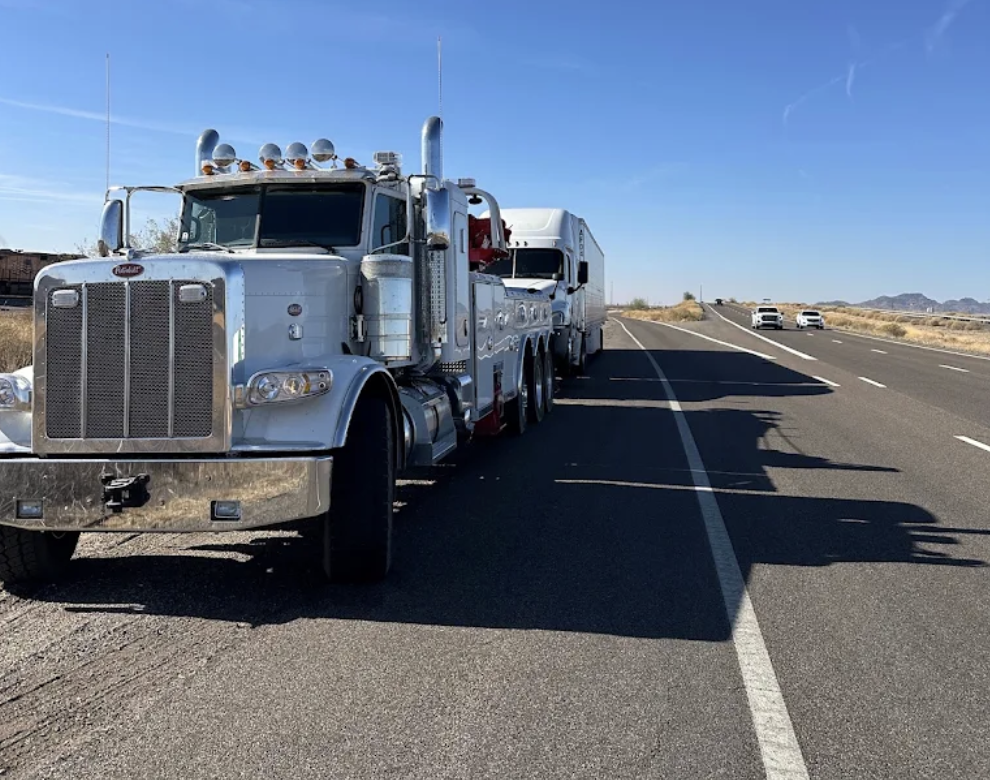
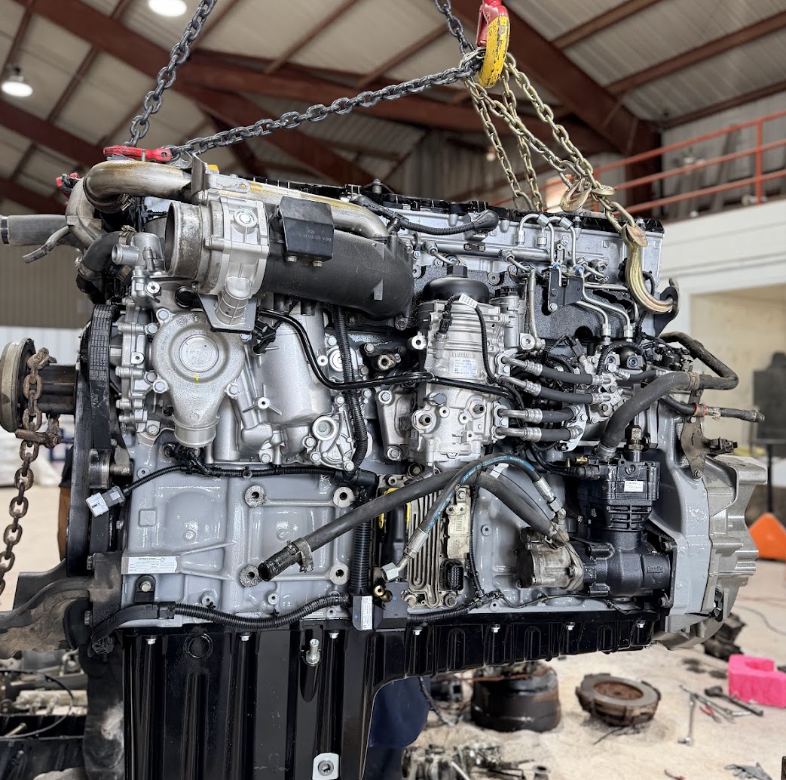
Recovering a disabled semi-truck requires more than basic towing equipment. Large commercial vehicles involved in breakdowns, accidents, or roadside failures often require specialized recovery solutions to prevent additional damage and protect drivers, cargo, and surrounding property. Tucson Truck Repair & Towing provides heavy-duty recovery throughout Southern Arizona with the equipment and expertise needed for challenging semi-truck recovery situations, including access to heavy recovery equipment such as a 35-ton wrecker and 50-ton rotator.

Mobile crane services for semi-truck recovery provide the lifting capability, control, and precision needed when standard towing methods are not enough. From overturned trucks and damaged trailers to difficult roadside recovery situations, specialized equipment helps recovery teams safely reposition vehicles and reduce unnecessary downtime.

At Tucson Truck Repair & Towing, we support commercial truck operators throughout Tucson and Southern Arizona with heavy-duty towing, roadside repair, diagnostics, and recovery services. Our team specializes in semi-trucks and understands the importance of getting drivers and fleets back on the road quickly. With advanced diagnostic capabilities, experienced technicians, and the right recovery equipment, we help handle complex trucking situations that require more than standard towing.

What Are Mobile Crane Services Used for in Semi-Truck Recovery?

Mobile crane services are designed for situations where a heavy vehicle cannot be safely moved using conventional towing equipment alone. Semi-trucks and trailers are large, complex machines that require careful handling during recovery to prevent further damage.

Some common situations where mobile cranes are useful include:

  • Recovering overturned semi-trucks after accidents
  • Lifting damaged tractor-trailers from difficult locations
  • Removing heavy equipment or cargo from recovery sites
  • Repositioning vehicles in areas with limited access
  • Assisting with complex roadside recovery operations
  • Supporting heavy-duty towing when additional lifting capability is required

Unlike basic towing, crane-assisted recovery allows technicians to carefully stabilize and reposition vehicles. This controlled approach helps protect the truck, trailer, cargo, and surrounding area during the recovery process.

For trucking companies and owner-operators, having access to experienced heavy recovery specialists can make a major difference when unexpected situations occur.

How Mobile Cranes Improve Safety During Truck Recovery

Safety is one of the most important considerations during heavy truck recovery. A disabled semi-truck can create dangerous conditions, especially when it is overturned, unstable, or located near active roadways.

Mobile cranes help improve safety by allowing recovery teams to move heavy vehicles with greater control. Instead of relying only on pulling force, crane equipment can provide precise lifting and repositioning capabilities.

Benefits include:

Reduced Risk of Additional Vehicle Damage

A damaged semi-truck may already have compromised components, including the frame, suspension, wheels, or trailer connections. Improper recovery techniques can create additional damage and increase repair costs.

Mobile crane support allows technicians to carefully lift and position the vehicle based on the specific recovery situation.

Better Control During Difficult Recoveries

Every recovery scenario is different. A truck stuck on uneven terrain, involved in an accident, or carrying heavy cargo may require specialized equipment and planning.

Experienced recovery operators evaluate the situation and determine the safest approach before moving the vehicle.

Improved Protection for Drivers and Recovery Teams

Heavy trucks can weigh tens of thousands of pounds, making manual recovery methods extremely risky. Using proper lifting equipment helps reduce unnecessary exposure to dangerous conditions and allows recovery professionals to complete the job more safely.

Why Faster Recovery Helps Reduce Trucking Downtime

For commercial truck operators, downtime is one of the biggest concerns after a breakdown or accident. A truck sitting on the side of the road is not generating revenue and may cause missed deliveries, scheduling problems, and additional business expenses.

Mobile crane services help speed up recovery operations by allowing technicians to address situations that require more than standard towing equipment.

Faster recovery can help:

  • Reduce delays for drivers and fleet managers
  • Minimize additional damage after an accident
  • Move disabled trucks away from unsafe locations
  • Return vehicles to repair facilities sooner
  • Keep transportation operations moving

At Tucson Truck Repair & Towing, we understand the pressure that comes with commercial vehicle downtime. Truck drivers and fleet operators need a recovery partner that can respond quickly and has the equipment necessary to handle serious situations.

Mobile Crane Recovery for Heavy-Duty Commercial Vehicles

Not all towing companies have the equipment or experience required for heavy-duty recovery. Semi-trucks require specialized knowledge because they involve complex systems, significant weight, and unique recovery challenges.

Tucson Truck Repair & Towing focuses on heavy-duty trucks and commercial vehicles. Our team works with advanced diagnostic equipment, specialized tools, and heavy recovery equipment to address complex trucking problems.

Our experience includes working with:

  • Semi-trucks
  • Tractor-trailers
  • Commercial trucks
  • Heavy-duty vehicles
  • Trailer systems
  • Complex roadside breakdown situations

Whether a truck requires roadside assistance, towing, repair, or specialized recovery, having experienced technicians available can help prevent unnecessary delays.

The Role of Mobile Crane Services in Accident Recovery

Accidents involving large trucks often require more than transportation assistance. A damaged commercial vehicle may need to be stabilized, lifted, or repositioned before it can be safely removed.

Mobile crane services provide important support during these situations by helping recovery teams:

  • Stabilize overturned vehicles
  • Lift damaged trucks
  • Remove obstacles around the vehicle
  • Assist with complex towing procedures
  • Protect nearby property and equipment

These capabilities are especially valuable in situations where access is limited or where a vehicle cannot be moved using traditional towing methods.

Proper recovery planning helps reduce risks and allows the recovery process to move forward efficiently.

Why Trucking Companies Choose Experienced Recovery Specialists

When a commercial truck experiences a serious breakdown or accident, experience matters. Truck drivers and fleet managers need a company that understands the importance of minimizing downtime while completing the job correctly.

Choosing an experienced heavy-duty recovery provider provides several advantages:

Specialized Equipment

Heavy trucks require heavy-duty equipment. Having access to the right recovery tools allows technicians to handle larger and more complicated situations.

Technical Knowledge

Modern semi-trucks rely on advanced systems that require specialized knowledge to diagnose and repair correctly. Electronic controls, emissions systems, transmissions, clutches, drivetrain components, and complex electrical systems all play important roles in truck performance and reliability.

Tucson Truck Repair & Towing has experience handling complex commercial truck issues, including aftertreatment system diagnostics, DEF-related problems, electrical troubleshooting, transmission and clutch concerns, and drivetrain repairs. Understanding how these systems work together allows technicians to make more informed decisions during recovery and repair, helping prevent unnecessary delays and additional damage.

From diagnosing electrical faults to addressing trailer, engine, and heavy-duty mechanical issues, having experienced technicians with the right diagnostic tools is essential when a semi-truck requires more than basic towing. This technical expertise allows recovery teams to better evaluate damaged vehicles, determine the safest recovery approach, and help commercial operators return to service as efficiently as possible.

Reliable Communication

During a breakdown or accident, clear communication is essential. Truck operators need updates, accurate information, and a recovery plan they can trust.

At Tucson Truck Repair & Towing, our goal is to provide dependable service that helps commercial drivers and businesses move forward.

Mobile Crane Services Throughout Tucson and Southern Arizona

Truck breakdowns and accidents can happen anywhere, from busy highways to remote routes throughout Southern Arizona. Having access to a trusted heavy-duty recovery provider can help drivers get the assistance they need when unexpected problems occur.

Tucson Truck Repair & Towing serves commercial truck operators throughout Tucson and surrounding areas, including:

  • Tucson
  • Benson
  • Willcox
  • Dragoon
  • Eloy
  • Bowie
  • Marana
  • San Simon
  • Nogales

Our team provides semi-truck repair, heavy-duty towing, roadside assistance, diagnostics, and recovery solutions designed specifically for commercial vehicles.

Contact Tucson Truck Repair & Towing for Heavy-Duty Recovery Support

When a semi-truck accident, breakdown, or recovery situation requires specialized equipment, choosing the right team can help reduce delays and protect your vehicle.

Tucson Truck Repair & Towing provides experienced heavy-duty towing, roadside repair, and mobile crane recovery services for commercial trucks throughout Southern Arizona. Our technicians are prepared to handle challenging recovery situations with the equipment and knowledge needed to get the job done safely.

Request heavy-duty recovery support from Tucson Truck Repair & Towing today for semi-truck towing, roadside repair, diagnostics, and mobile recovery throughout Southern Arizona.

When Should You Contact Heavy Truck Mechanics Nearby

When Should You Contact Heavy Truck Mechanics Nearby

For owner-operators and fleet managers, a semi-truck breakdown is more than an inconvenience. A disabled truck can mean missed deliveries, lost revenue, scheduling problems, and unnecessary stress. Knowing when to contact heavy truck mechanics nearby can help prevent minor issues from becoming major failures that take your truck off the road for extended periods.

Many heavy truck problems start with warning signs that are easy to overlook. Reduced engine power, unusual noises, warning lights, transmission problems, brake concerns, and electrical issues can all indicate that professional diagnosis is needed. Addressing these problems early helps protect your equipment, improve reliability, and reduce unexpected downtime.

Tucson Truck Repair & Towing provides heavy truck repair and roadside service for semi-trucks throughout Tucson and Southern Arizona. Our technicians understand the complexity of modern diesel systems and provide accurate diagnoses and dependable repairs when unexpected truck problems threaten schedules and deliveries.

Signs You Need Heavy Truck Mechanics Nearby

Heavy trucks are designed to handle demanding workloads, but even well-maintained equipment can develop problems. Recognizing early warning signs lets you act before a small issue becomes a serious breakdown.

Loss of Engine Power or Performance Issues

A sudden decrease in engine power is one of the most common signs that something is wrong with a semi-truck. Drivers may notice slower acceleration, difficulty maintaining speed, reduced pulling power, or changes in overall performance.

These symptoms can be caused by several issues, including fuel system problems, turbocharger failures, sensor faults, air intake restrictions, or aftertreatment system concerns. Modern diesel engines rely on multiple systems working together, which means accurate diagnosis is essential.

Continuing to drive with reduced performance can create additional stress on other components. A professional heavy truck mechanic can inspect the system, identify the underlying issue, and recommend the proper repair.

Excessive Smoke From the Exhaust

Exhaust smoke can provide important clues about the condition of a diesel engine.

Black smoke may indicate fuel delivery problems, restricted airflow, or combustion issues. White smoke can point to coolant-related concerns or incomplete combustion. Blue smoke may indicate that oil is entering the combustion process.

While smoke color can help identify potential problems, accurate diagnosis requires proper testing. Tucson Truck Repair & Towing uses advanced diagnostic tools and technical expertise to determine the cause instead of relying on guesswork.

Transmission and Clutch Problems

Transmission issues should never be ignored on a commercial truck. Signs such as delayed shifting, slipping gears, rough engagement, grinding sounds, or clutch problems can indicate a developing failure.

Transmission and clutch systems in heavy trucks experience significant stress due to constant hauling, changing road conditions, and heavy loads. If these problems continue without repair, they can lead to larger component failures and increased repair costs.

Experienced heavy truck mechanics can inspect transmission operation, identify fault codes, and perform the necessary repairs or programming procedures to restore proper performance.

Warning Sounds and Vibrations You Should Not Ignore

Semi trucks often provide warning signs before a major failure occurs. Paying attention to unusual sounds and vibrations can help identify mechanical issues early.

A knocking sound from the engine compartment may indicate internal engine concerns. Grinding noises can point toward brake or drivetrain problems. Squealing sounds may indicate worn components that require inspection.

Vibrations can also provide important information. Steering wheel vibration may be related to tire, suspension, or alignment issues, while vibration through the chassis may indicate problems with driveline components, differentials, or other heavy-duty systems.

When contacting a heavy truck repair shop, provide as much information as possible. Explaining when the sound occurs, whether it happens during acceleration or braking, and how the truck responds can help technicians diagnose the issue faster.

Dashboard Warning Lights Require Professional Diagnosis

Modern semi-trucks use advanced electronic systems that monitor engine performance, emissions systems, braking components, and other critical functions.

A warning light should not be ignored simply because the truck is still operating. Some issues may allow continued driving temporarily, while others can quickly result in reduced power or complete shutdown.

Common warning lights that require attention include:

  • Check engine lights
  • ABS warning lights
  • Oil pressure warnings
  • DEF system warnings
  • Battery and charging system alerts
  • Transmission fault indicators

Many problems cannot be accurately diagnosed by simply clearing a code. Commercial truck repair requires understanding what caused the fault and verifying that the underlying issue has been corrected.

DEF and Aftertreatment Problems Can Lead to Major Downtime

Modern diesel trucks rely on complex emissions systems, including diesel particulate filters (DPF), diesel oxidation catalysts (DOC), selective catalytic reduction (SCR) systems, and DEF components.

When these systems malfunction, trucks may experience warning lights, poor performance, reduced power, or regeneration problems.

Aftertreatment diagnosis requires more than replacing parts. Technicians must understand how different components work together, including exhaust temperatures, sensor readings, DEF operation, and system pressures.

Tucson Truck Repair & Towing has experience diagnosing complex diesel aftertreatment concerns and helping drivers address issues before they lead to extended downtime.

Why Choosing Experienced Heavy Truck Mechanics Matters

Not every repair facility is equipped to handle the complexity of modern semi-trucks. Heavy-duty repairs require specialized knowledge, proper diagnostic equipment, and experience working with commercial vehicles.

A qualified heavy truck repair provider should understand systems such as:

  • Diesel engines
  • Transmissions and clutches
  • Electrical systems
  • Air brake systems
  • DEF and aftertreatment components
  • Cooling systems
  • Driveline components
  • Trailer repairs

For many truck owners, the difference between a quick repair and days of downtime comes down to accurate diagnosis. Replacing parts without identifying the actual problem can waste time and increase expenses.

Tucson Truck Repair & Towing focuses on advanced heavy truck repairs and diagnostics for drivers who need experienced technicians capable of handling complex issues.

When Roadside Repair Is the Better Option

Not every breakdown requires towing immediately. In some situations, roadside repair can help get a truck operational without the added time and expense of transporting the vehicle.

Roadside assistance may be appropriate for issues such as:

  • Certain electrical failures
  • Air system problems
  • Diagnostic concerns
  • Component issues that can be repaired safely at the location

However, safety always comes first. If a truck cannot be repaired safely on-site, professional semi-truck towing may be the best solution.

Having access to a company that understands both roadside repair and heavy truck towing provides drivers with more options when unexpected problems occur.

Choosing a Reliable Heavy Truck Repair Shop in Tucson

When your semi truck is down, choosing the right repair provider matters. Look for a company with experience handling commercial trucks, access to proper diagnostic tools, and a reputation for solving difficult problems.

Important factors include:

  • Experience with heavy-duty trucks
  • Ability to diagnose complex issues
  • Knowledge of modern diesel systems
  • Fast response times
  • Clear communication
  • Experience supporting owner-operators and fleets

For drivers traveling through Southern Arizona, having a trusted commercial truck repair partner can provide confidence during unexpected situations.

Keep Your Truck Moving With Tucson Truck Repair & Towing

Semi-truck problems can quickly turn into costly repairs and unexpected downtime when warning signs are ignored. Engine issues, transmission concerns, brake problems, electrical failures, and dashboard warning lights should be inspected by experienced heavy truck mechanics nearby to prevent further damage.

Tucson Truck Repair & Towing provides professional heavy truck repair, semi-truck repair, truck diagnostics, roadside assistance, and towing services throughout Tucson, Marana, Benson, Nogales, and surrounding Southern Arizona areas. Our team understands the demands of commercial trucking and delivers accurate inspections, dependable repairs, and efficient solutions to help drivers and fleets stay on schedule.

Whether you need mobile truck repair, emergency roadside assistance, heavy-duty diagnostics, or semi-truck towing, Tucson Truck Repair & Towing is equipped to handle critical truck issues and minimize downtime.

When your commercial truck needs expert attention, trust Tucson Truck Repair & Towing for reliable heavy truck mechanics, semi-truck repair services, and roadside support throughout Southern Arizona.

Contact Tucson Truck Repair & Towing today for professional heavy truck service and dependable assistance when your rig needs experienced care.

Why Is Heavy-Duty Towing Important for Commercial Trucks

Why Is Heavy-Duty Towing Important for Commercial Trucks

When a commercial truck breaks down, every minute matters. A disabled semi-truck can quickly disrupt delivery schedules, delay operations, and create stress for drivers, owner-operators, and fleet managers. Unlike passenger vehicles, commercial trucks require specialized equipment, trained operators, and the right recovery approach to prevent additional damage and safely get the vehicle where it needs to go.

Heavy-duty towing plays an essential role in helping commercial trucks recover from breakdowns, accidents, and roadside emergencies. The right towing provider does more than move a truck from one location to another. They understand the size, weight, and mechanical complexity of semi-trucks and provide solutions designed to protect the vehicle while reducing unnecessary downtime.

At Tucson Truck Repair & Towing, we specialize in heavy-duty towing, roadside repair, and commercial truck repair for semi-trucks throughout Tucson and Southern Arizona. Our team understands the challenges truck drivers face when equipment fails and provides the experience, equipment, and technical knowledge needed to handle demanding truck recovery situations.

Why Commercial Trucks Require Specialized Heavy-Duty Towing Services

A semi-truck is not simply a larger version of a passenger vehicle. Tractor-trailers are built with complex systems, heavy-duty components, and unique configurations that require specialized knowledge during a breakdown or recovery situation.

The size and weight of commercial trucks create challenges that standard towing equipment may not be designed to handle. A disabled tractor-trailer may require specialized recovery methods to safely manage the vehicle, trailer connection, drivetrain, suspension, and other critical components.

Heavy-duty towing providers are equipped to handle situations involving:

  • Disabled semi-trucks
  • Tractor-trailer combinations
  • Mechanical failures
  • Accident recovery
  • Driveline issues
  • Air system problems
  • Trucks requiring transportation to a repair facility

Professional recovery also requires evaluating the specific circumstances before towing begins. Operators must consider the truck’s condition, location, weight distribution, trailer setup, and the safest recovery approach to prevent unnecessary complications.

Heavy-Duty Towing Helps Reduce Commercial Truck Downtime

For trucking companies and owner-operators, downtime can quickly impact revenue and schedules. A truck that cannot complete its route can create missed deliveries, delayed shipments, and additional operational challenges.

When a breakdown occurs, getting the truck moved safely and efficiently becomes a priority. A reliable heavy-duty towing company can help reduce delays by transporting the vehicle to a location where proper diagnostics and repairs can be completed.

At Tucson Truck Repair & Towing, we understand that towing is often only the first step. Many commercial truck breakdowns require advanced troubleshooting and post-recovery repairs. Because we provide both heavy-duty towing and truck repair services, we can help create a smoother process from roadside emergency to final repair.

Our technicians work on major semi-truck systems, including:

  • Engines
  • Transmissions
  • Clutches
  • Differentials
  • Electrical systems
  • Cooling systems
  • Aftertreatment systems
  • Trailer components

This combination of towing and repair expertise helps drivers avoid unnecessary delays and get their trucks back on the road faster.

Why the Right Recovery Equipment Matters

Recovering a semi-truck requires more than a powerful towing vehicle. Specialized equipment allows towing professionals to safely lift, position, transport, and recover large commercial vehicles in a variety of situations.

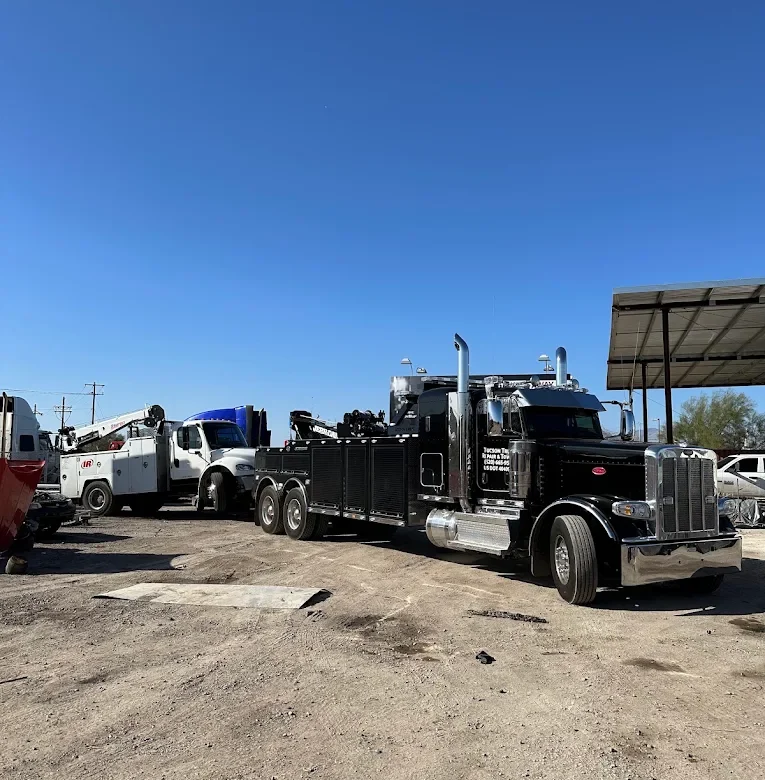
At Tucson Truck Repair & Towing, we operate heavy recovery equipment, including a 35-ton wrecker and a 50-ton rotator, allowing us to handle complex semi-truck towing and recovery situations.

A heavy-duty wrecker provides the strength needed for many tractor-trailer recovery scenarios, while a rotator offers additional capabilities for challenging situations that require controlled lifting, repositioning, or specialized recovery techniques.

This equipment helps with situations such as:

  • Moving disabled tractor-trailers
  • Recovering trucks from difficult positions
  • Transporting trucks that cannot safely operate
  • Handling complex roadside recovery situations

While the right equipment is essential, successful recovery also depends on technicians who understand how commercial trucks are built and how different systems respond during transportation.

How Professional Recovery Helps Protect Your Semi-Truck

Commercial trucks represent a major investment for businesses and owner-operators. Protecting that investment during a breakdown or recovery situation helps prevent additional mechanical damage, unnecessary repair costs, and extended downtime.

Improper towing methods can create additional issues, including damage to mechanical components, drivetrain systems, or other parts of the vehicle. Experienced heavy-duty towing professionals understand how to secure and transport commercial trucks based on their condition and recovery requirements.

For example, a truck experiencing transmission issues may require a different towing approach than a vehicle involved in an accident. Likewise, a tractor connected to a trailer requires different handling considerations than a tractor traveling without one.

A knowledgeable towing provider evaluates the situation before recovery begins to determine the safest and most effective approach. This helps protect:

  • The tractor
  • The trailer
  • Cargo
  • Mechanical components
  • The driver
  • Other vehicles on the road

When Do Commercial Trucks Need Heavy-Duty Towing?

Not every truck issue requires the same solution. Some problems can be repaired roadside, while others require transportation to a repair facility.

Heavy-duty towing may be necessary when a commercial truck experiences the following:

Major Mechanical Failures

Engine problems, transmission failures, differential issues, clutch failures, and other major mechanical concerns can prevent a semi-truck from continuing safely.

Accident Damage

After an accident, a truck may require professional recovery before repairs can begin. Damaged vehicles often need specialized equipment to prevent further issues during transportation.

Roadside Breakdowns

Some failures happen far from a repair facility. In these situations, heavy-duty towing provides a safe way to move the vehicle for proper inspection and repair.

Trailer Problems

Commercial trailers can experience their own mechanical issues, including axle, spindle, structural, and other component failures. A towing provider with trailer experience can better understand how to handle these situations.

At Tucson Truck Repair & Towing, we evaluate each situation individually. When a roadside repair is possible and safe, our team can often address the problem without requiring a tow. When transportation is needed, we have the equipment and experience to handle the recovery.

Why Semi-Truck Repair Experience Matters in a Towing Company

Many towing companies can move a vehicle, but commercial truck drivers often need more than transportation. They need a provider who understands what caused the problem and what steps are needed next.

A towing company with semi-truck repair experience can provide valuable insight during a breakdown. Instead of treating every situation as simply a towing job, experienced technicians can help identify potential repair needs and guide the next steps.

Tucson Truck Repair & Towing works specifically on semi-trucks and heavy commercial vehicles. Our technicians have experience diagnosing complex issues that other repair providers may struggle to identify.

We use advanced diagnostic resources and manufacturer-specific information to troubleshoot problems involving modern commercial trucks.

This expertise allows us to support drivers with both emergency towing and complete repair services.

Choosing the Right Heavy-Duty Towing Provider in Tucson

When selecting a heavy-duty towing company, commercial drivers and fleet managers should consider more than just availability.

Important factors include:

Experience With Semi-Trucks

A provider that focuses on commercial trucks understands the challenges associated with large vehicles and complex mechanical systems.

Proper Recovery Equipment

Heavy wreckers, rotators, and specialized recovery tools allow towing professionals to handle larger and more complicated situations safely.

Repair Knowledge

A towing provider with repair capabilities can help streamline the process after recovery.

Local Knowledge

For drivers traveling through Southern Arizona, working with a company familiar with Tucson and surrounding routes can make emergencies easier to manage.

Heavy-Duty Towing Services for Tucson and Southern Arizona

Commercial trucks keep businesses moving, but breakdowns can happen at any time. When a semi-truck is disabled, having access to experienced heavy-duty towing can make a significant difference.

Tucson Truck Repair & Towing provides heavy-duty recovery and towing, semi-truck repair, and commercial truck repair for semi-trucks throughout Tucson and surrounding Southern Arizona communities, including Benson, Willcox, Marana, Nogales, and nearby communities.

With heavy recovery equipment, experienced technicians, and a focus on semi-trucks, our team is prepared to help drivers and fleets handle unexpected breakdowns.

Get Reliable Heavy-Duty Towing Support When You Need It

A commercial truck breakdown does not have to become a major setback. The right towing provider can help protect your vehicle, reduce downtime, and provide a clear path toward getting back on the road.

Heavy-duty towing requires specialized equipment, technical knowledge, and experience with large commercial vehicles. Tucson Truck Repair & Towing combines towing capabilities with advanced truck repair expertise to support drivers throughout Southern Arizona.

If your semi-truck needs heavy-duty towing or roadside assistance in Tucson, contact Tucson Truck Repair & Towing for dependable service from a team that understands commercial trucks.

How Does Heavy-Duty Truck Recovery Minimize Downtime

How Does Heavy-Duty Truck Recovery Minimize Downtime

When a commercial truck breaks down, every minute matters. For owner-operators, fleet managers, and professional drivers, a disabled semi-truck can quickly lead to missed deliveries, lost revenue, and scheduling problems. Heavy equipment recovery helps minimize downtime by providing the right towing solutions, specialized recovery equipment, and expert support needed to safely move disabled trucks and get operations back on track.

Unlike standard towing services, heavy-duty recovery requires specialized experience, advanced equipment, and knowledge of complex commercial trucks. Recovering a semi-truck requires careful planning around its weight, configuration, and towing needs to prevent additional damage and delays.

At Tucson Truck Repair & Towing, we specialize in heavy-duty truck recovery, heavy-duty towing, semi-truck repair, and advanced diagnostics throughout Tucson and Southern Arizona. Our team works with over-the-road drivers, owner-operators, and trucking companies that need reliable solutions when their trucks are disabled.

Why Does Heavy Equipment Recovery Matter for Trucking Operations?

For trucking companies, downtime is more than an inconvenience. A truck sitting on the side of the road can affect delivery schedules, customer commitments, driver productivity, and overall business operations.

When a semi-truck experiences a mechanical failure, accident, or roadside issue, the priority is safely recovering the vehicle and determining the best path forward. A professional recovery service helps prevent delays by quickly assessing the situation, sending the appropriate equipment, and coordinating towing or repairs.

The recovery process is not simply about moving a truck from one location to another. It involves understanding the condition of the vehicle, the type of failure, the surrounding environment, and whether roadside repairs may be possible.

An efficient recovery process reduces the time a truck remains out of service.

Fast Assessment Helps Reduce Unnecessary Delays

One of the most important steps in heavy equipment recovery is accurately evaluating the situation before taking action.

When a driver contacts a recovery company, important details include:

  • The truck’s location
  • Whether a trailer is attached
  • The type of breakdown or damage
  • Whether the vehicle can move safely
  • Any immediate safety concerns

This information helps the recovery team determine the appropriate response.

Sending the wrong equipment can create additional delays. A recovery unit that is not capable of handling the size or condition of the vehicle may require another dispatch, increasing downtime and frustration for the driver.

At Tucson Truck Repair & Towing, our team understands the challenges involved with heavy-duty vehicle recovery. With access to equipment including a 35-ton wrecker and a 50-ton rotator, we are prepared to handle complex semi-truck recovery situations that require specialized towing capabilities.

The Right Recovery Equipment Protects the Truck

Heavy-duty trucks require specialized recovery equipment designed for their size, weight, and configuration. Tucson Truck Repair & Towing uses equipment such as a 35-ton wrecker and 50-ton rotator to handle complex semi-truck recovery situations safely.

A 50-ton rotator provides advanced capabilities when a standard tow is not enough, allowing technicians to perform controlled lifting, repositioning, and recovery in challenging situations. Choosing the correct recovery unit helps ensure the truck is handled properly from the beginning and reduces the risk of unnecessary complications.

Preventing Additional Damage Speeds Up Repairs

Proper recovery involves more than moving a disabled truck. Technicians must consider factors such as attachment points, vehicle positioning, weight distribution, and towing requirements to help prevent damage during the recovery process.

Improper towing methods can create additional issues involving steering, suspension, driveline components, or other truck systems. By protecting the vehicle during recovery, experienced technicians help reduce repair complications and get trucks back into service faster.

When Roadside Repair Can Help Reduce Downtime

Not every truck breakdown requires immediate transportation to a repair facility. In some situations, experienced technicians can diagnose and address certain issues at the truck’s location, helping determine whether the vehicle can return to service or requires further recovery.

However, heavy-duty truck repair requires more than basic mechanical knowledge. Modern semi-trucks rely on advanced electrical systems, emissions components, engine controls, and complex drivetrain technology that require specialized diagnostic equipment and experience.

Tucson Truck Repair & Towing provides heavy-duty repair support for commercial trucks, including diagnostics and repairs involving electrical systems, air leaks, aftertreatment systems, clutches, turbos, and other major components. This repair expertise also helps the team evaluate disabled trucks and determine whether on-site service or heavy-duty towing is the safest and most effective solution.

When towing or recovery is necessary, working with a repair-focused heavy-duty provider allows drivers and fleets to move forward with a team that understands the truck’s condition and the repairs needed next.

Advanced Diagnostics Help Find Problems Faster

After recovery, accurate diagnosis is one of the most important factors in reducing repair time.

Commercial trucks rely on advanced systems that require specialized knowledge to troubleshoot correctly. Guessing at repairs or replacing unnecessary components can increase costs and keep the truck off the road longer.

Tucson Truck Repair & Towing uses dealership-level diagnostic software and detailed wiring information to identify complex truck problems.

Our technicians have experience diagnosing issues involving:

  • Diesel engine problems
  • Electrical failures
  • Aftertreatment systems
  • DEF systems
  • DOC, DPF, and SCR components
  • Transmission and clutch concerns
  • Air systems and leaks

Understanding how these systems work allows technicians to identify problems more efficiently and recommend the correct repairs.

For drivers and fleet managers, faster diagnostics mean fewer delays and a clearer path toward getting the truck back into operation.

How Recovery and Repair Work Together to Reduce Downtime

One major advantage of choosing a recovery provider with repair capabilities is having a more complete solution.

Many towing companies can move a disabled vehicle, but fewer have the technical experience needed to understand what happens after the recovery.

At Tucson Truck Repair & Towing, recovery and repair work together. After bringing in a disabled truck, our technicians can continue evaluating the issue and performing the necessary repairs.

This approach helps reduce unnecessary handoffs between companies and creates a smoother process for drivers and fleet managers.

Whether the problem involves the engine, transmission, electrical system, drivetrain, or aftertreatment system, having experienced technicians available can make a major difference in reducing downtime.

Supporting Drivers Across Tucson and Southern Arizona

Truck breakdowns do not always happen in convenient locations. Commercial drivers traveling through Southern Arizona need access to a reliable recovery and repair partner when unexpected problems occur.

Tucson Truck Repair & Towing supports drivers and trucking companies throughout Tucson and surrounding areas, including Benson, Willcox, Marana, Nogales, and other nearby communities.

Our team understands the pressure drivers face when a truck goes down. Missed deliveries, lost driving time, and unexpected repair costs can quickly create major challenges.

That is why our focus is on providing efficient heavy-duty towing, roadside assistance, diagnostics, and repair solutions designed around getting trucks moving again.

When Should You Call for Heavy Equipment Recovery?

Heavy equipment recovery may be needed when a semi-truck:

  • Cannot safely move under its own power
  • Has experienced a major mechanical failure
  • Is involved in an accident
  • Requires specialized towing equipment
  • Needs transportation to a repair facility

Calling for assistance early can help prevent additional damage and reduce the time required to resolve the issue.

Providing accurate information about the truck’s location, condition, and problem helps the recovery team prepare properly and respond efficiently.

Get Reliable Heavy Equipment Recovery From Tucson Truck Repair & Towing

Heavy equipment recovery minimizes downtime by combining the right equipment, experienced technicians, and efficient repair solutions. For commercial trucks, the recovery process is not only about towing. It is about protecting the vehicle, diagnosing the problem, and creating the fastest path back to the road.

Tucson Truck Repair & Towing provides heavy-duty towing, semi-truck recovery, roadside repair, and advanced diagnostics for drivers and trucking companies throughout Southern Arizona.

When your truck is down, every minute counts. Contact Tucson Truck Repair & Towing for dependable heavy equipment recovery and professional commercial truck repair services.

What Should Drivers Know About Mobile Semi-Truck Repair

What Should Drivers Know About Mobile Semi-Truck Repair

A semi-truck breakdown can quickly disrupt a delivery schedule, create safety concerns, and leave a driver or fleet manager searching for the fastest practical solution. Mobile semi-truck repair gives technicians the ability to diagnose and address many heavy-duty mechanical problems at the truck’s location when conditions are safe, and the repair can reasonably be completed roadside.

For drivers traveling through Tucson and Southern Arizona, understanding how mobile repair works can make it easier to respond when a truck develops engine trouble, electrical faults, air system problems, aftertreatment issues, or other mechanical failures.

The most important thing to know is that mobile repair is not simply about avoiding a tow. It is about determining what is wrong with the truck, deciding whether the problem can be repaired safely at the location, and choosing the most efficient way to get the truck operational again.

Why Mobile Semi-Truck Repair Matters for Commercial Drivers

Downtime matters in trucking. When a semi-truck cannot move, a driver may be unable to complete a route, a fleet may have to adjust schedules, and freight can be delayed.

Mobile semi-truck repair can eliminate an unnecessary trip to a shop when the problem can be properly diagnosed and repaired where the truck is located. Instead of automatically towing every disabled truck, an experienced heavy-duty technician can evaluate the problem and determine what approach makes the most sense.

This is particularly valuable for owner-operators and fleet managers who need straightforward answers. They want to know what failed, whether the truck can be repaired at the location, what is required to fix it, and how quickly they can safely return to operation.

At Tucson Truck Repair & Towing, our focus is on heavy-duty semi-truck problems rather than routine automotive work. Our technicians handle complex truck systems and troubleshooting that require specialized knowledge, diagnostic equipment, and access to the right repair information.

What Problems Can Mobile Semi-Truck Repair Address?

Mobile semi-truck repair can help address many common truck issues at the roadside. While some major repairs may require towing to a shop, on-site diagnostics and repairs can help resolve certain problems and reduce downtime.

Engine and Cooling System Problems

Engine issues can cause symptoms such as overheating, warning lights, oil leaks, smoke, unusual noises, or loss of power. Mobile technicians can diagnose many engine-related problems, including cooling system issues, leaks, sensors, air compressors, and other components. Proper diagnosis helps reduce the risk of unnecessary repairs.

Electrical and Diagnostic Issues

Electrical problems can prevent a commercial truck from operating properly. Starting issues, warning lights, sensor faults, wiring problems, and communication errors often require advanced diagnostics to identify the source. Heavy-duty technicians use diagnostic tools and wiring information to troubleshoot these issues and determine the necessary repairs.

DEF and Aftertreatment System Problems

Modern diesel trucks rely on DEF and aftertreatment systems to control emissions and maintain performance. Issues with components such as DEF systems, NOx sensors, diesel particulate filters, and related parts can cause warning lights, reduced power, or engine derates. Proper testing helps identify whether the problem is caused by a sensor, component failure, wiring issue, or another system fault.

What About Transmission and Clutch Problems?

Transmission and clutch problems can quickly make a truck difficult or impossible to operate. Symptoms may include shifting problems, clutch engagement issues, fault codes, abnormal operation, or a truck that will not move as expected.

Some of these problems can be diagnosed at the truck’s location. Electronic and automated transmission systems may require specialized software to perform troubleshooting, clutch actuator procedures, programming, or relearn functions.

Tucson Truck Repair & Towing works with heavy-duty transmission and clutch systems and uses specialized diagnostic resources such as ServiceRanger when appropriate.

However, the goal of mobile service is not to force every repair to happen roadside. If the failure requires major disassembly or a controlled shop environment, towing the truck may be the safer and more efficient solution.

Air System and Heavy-Duty Troubleshooting

Air leaks and air system faults are another important area of commercial truck repair. Because multiple truck systems rely on compressed air, even a seemingly small leak can interfere with normal operation. Technicians must determine where pressure is being lost and whether the problem involves lines, fittings, valves, compressors, or another component.

Mobile troubleshooting can help locate the source of an air system problem and determine whether it can be repaired at the breakdown location.

The same principle applies to driveline problems, radiator failures, turbocharger issues, and other heavy-duty mechanical concerns. Diagnosis should come first, followed by the repair strategy that makes the most sense for the truck and situation.

When Is Mobile Repair the Right Choice?

Mobile semi-truck repair is a practical solution when a truck can be safely serviced at its current location, and the issue can be diagnosed and repaired using the proper tools and equipment. In these situations, on-site repairs can help reduce downtime and restore the vehicle to operation without requiring transport to a repair facility. A roadside repair may be appropriate when:

  • The truck is located in a safe area where technicians can work properly.
  • The issue can be identified through mobile diagnostics.
  • The required tools, parts, and equipment are available on-site.
  • The repair does not require extensive shop machinery or major component removal.
  • Completing the repair on-site allows the truck to return to service safely.

Towing is also an important service option for situations where transporting the vehicle is the safest or most effective solution. Heavy-duty towing may be needed when a truck has significant mechanical damage, is involved in an accident, is in an unsafe position, requires specialized repair equipment, or cannot be safely operated.

The right solution depends on the truck’s condition, the location of the breakdown, and the type of issue involved. An experienced heavy-duty service provider should evaluate each situation and determine whether mobile repair, towing, or a combination of services is the most appropriate approach.

Tucson Truck Repair & Towing provides both mobile semi-truck repair and heavy-duty towing services to assist drivers with breakdowns, heavy-duty recoveries, and repair needs involving commercial trucks and trailers.

What Information Should Drivers Provide When Calling for Mobile Repair?

A detailed initial call can help technicians prepare before they arrive. Drivers should be ready to explain their exact location, truck information, symptoms, warning lights, and anything that happened immediately before the failure.

Useful information can include the truck’s year, make, model, VIN, dashboard warnings, fault codes if available, engine behavior, unusual noises, leaks, and whether a trailer is attached. Location details are equally important. Highway numbers, mile markers, exits, nearby businesses, GPS coordinates, or recognizable landmarks can make it easier for the service team to find the truck.

The more accurately the problem is described, the better prepared the technician can be with appropriate tools, diagnostic equipment, and potential replacement parts.

What Should Drivers Do While Waiting for Help?

Safety should remain the priority during any roadside breakdown. If the truck can be moved safely, drivers should move to an appropriate safe location and follow applicable company and roadside safety procedures. Hazard lights and appropriate warning devices can help alert approaching motorists.

Drivers should avoid attempting repairs that expose them to moving traffic or require work they are not trained to perform. It is also helpful to keep basic emergency equipment in the truck, including reflective warning devices, a flashlight, first aid supplies, appropriate safety clothing, and essential communication equipment.

While waiting for the technician, drivers can also gather information about the failure. Taking note of warning messages, fluid leaks, sounds, smells, or changes in truck behavior may help the technician narrow down the problem more quickly.

How to Choose a Mobile Semi-Truck Repair Provider

Heavy-duty trucks require more than general mechanical experience. When evaluating a mobile repair provider, drivers and fleet managers should look at the company’s ability to work specifically with commercial trucks and complex diesel systems.

Diagnostic capability is particularly important. A provider should have access to the tools and technical information needed to evaluate modern truck systems rather than relying entirely on trial and error.

A provider should also have technicians with expertise across multiple heavy-duty systems. Truck electrical systems, aftertreatment equipment, engines, transmissions, clutches, trailers, and heavy mechanical components each require different areas of expertise.

Tucson Truck Repair & Towing has a team of technicians with specialized areas of heavy-duty repair, allowing different types of truck problems to be addressed by people familiar with those systems.

Parts availability should also be considered. A correct diagnosis does little good if the repair is delayed because the required component cannot be sourced. Access to commonly needed parts and suppliers can help shorten the time between diagnosis and repair.

Finally, look at communication and reputation. Drivers dealing with an unexpected breakdown need clear information about what the technician found, what repair is recommended, and whether the truck can safely return to service.

Mobile Semi-Truck Repair Across Southern Arizona

Commercial trucks travel far beyond Tucson itself, and a breakdown may occur between cities rather than near a repair facility. Tucson Truck Repair & Towing serves truck drivers and trucking companies operating throughout Southern Arizona, including areas such as Tucson, Benson, Willcox, Dragoon, Eloy, Bowie, Marana, San Simon, and Nogales.

For over-the-road drivers, owner-operators, and fleet managers, having access to a provider that understands heavy-duty repair and towing can simplify an otherwise stressful situation.

The objective is straightforward: accurately determine what is wrong, complete the repair at the truck’s location when practical, or arrange the appropriate towing and shop repair when roadside work is not the right option.

Get Heavy-Duty Mobile Semi-Truck Repair in Tucson

A roadside breakdown does not automatically mean your truck needs to be towed directly to a shop. With the right diagnostic equipment, technical experience, and heavy-duty repair knowledge, many problems can be evaluated at the truck’s location and, when conditions allow, repaired on-site.

Tucson Truck Repair & Towing specializes in the complex problems commercial drivers and fleets encounter, including engine issues, aftertreatment faults, electrical diagnostics, air systems, clutches, transmissions, cooling systems, trailer repairs, and other heavy-duty concerns.

If your semi-truck is down in Tucson or elsewhere in Southern Arizona, contact Tucson Truck Repair & Towing at 520-665-9550 to discuss the problem and determine the appropriate next step.

What Makes Rotator Solutions Essential for Recoveries

What Makes Rotator Solutions Essential for Recoveries

When a semi truck breaks down, gets involved in an accident, or becomes disabled in a difficult location, the recovery process requires more than a standard tow truck. Large commercial vehicles are heavier, more complex, and more challenging to move safely than passenger vehicles. Having access to the right equipment and an experienced heavy-duty recovery team can make a significant difference in minimizing downtime and protecting valuable equipment.

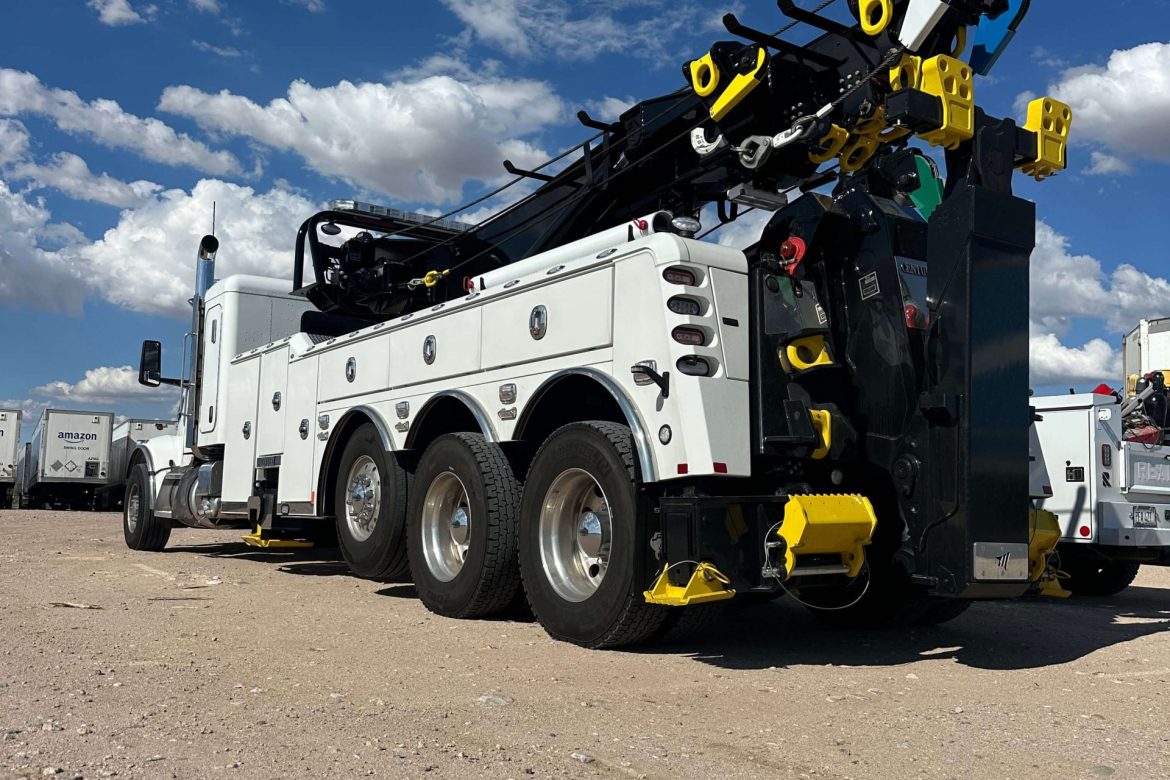
A heavy-duty rotator is one of the most advanced recovery solutions available for commercial trucks. Designed for complex towing and recovery situations, rotator tow trucks provide increased lifting capability, flexibility, and control when handling large vehicles.

At Tucson Truck Repair & Towing, we specialize in heavy-duty towing, semi-truck repair, and heavy-duty commercial truck services throughout Southern Arizona. Our fleet includes a 35-ton wrecker and a 50-ton rotator, giving us the equipment needed to handle challenging recovery situations involving semi trucks and tractor-trailers.

For truck drivers, owner-operators, and fleet managers, having a reliable recovery partner means less stress, reduced downtime, and a faster path toward getting back on the road.

What Is a Heavy-Duty Rotator Tow Truck?

A heavy-duty rotator tow truck is a specialized recovery vehicle designed to handle large commercial vehicles in complex recovery situations.

Unlike traditional tow trucks, rotators feature a rotating boom system that provides additional positioning options during recovery. This allows experienced operators to approach vehicles from different angles, lift heavy loads more effectively, and manage complicated recovery situations with greater control.

Semi trucks can present unique challenges because of their size, weight, trailer configuration, and location. A disabled tractor-trailer may not always be positioned in a way that allows for a simple hookup and tow. In these cases, specialized equipment becomes essential.

Heavy-duty rotator solutions are commonly used for situations such as:

  • Disabled semi trucks in difficult roadside locations
  • Tractor-trailers requiring specialized lifting or recovery
  • Accident recovery involving large commercial vehicles
  • Vehicles that cannot be moved using standard towing equipment
  • Heavy trucks needing controlled positioning during recovery

The right recovery equipment helps ensure the vehicle is handled safely while reducing unnecessary delays.

Why Rotator Equipment Is Important for Semi Truck Recoveries

Commercial trucks are responsible for transporting goods across cities, states, and regions. When one of these vehicles becomes disabled, the impact goes beyond the truck itself.

A breakdown can affect:

  • Delivery schedules
  • Driver productivity
  • Fleet operations
  • Customer commitments
  • Revenue opportunities

For trucking professionals, time is one of the most valuable resources. A recovery provider that has the proper equipment and experience can help shorten the process and provide a more efficient solution.

A heavy-duty rotator gives recovery operators more flexibility when handling complex situations. Instead of relying only on traditional towing methods, operators can use specialized equipment designed for the weight and size of commercial trucks.

This is especially valuable when a semi-truck is:

  • Located in a challenging position
  • Carrying a heavy load
  • Connected to a trailer
  • Unable to move under its own power
  • Requiring careful recovery planning

The goal of professional heavy-duty recovery is not just moving the truck. It is moving the truck safely while protecting the vehicle and creating the best path toward repair.

The Difference Between Standard Towing and Heavy-Duty Recovery

Not all towing services are designed for commercial trucks.

Passenger vehicles and light-duty trucks have different towing requirements compared to semi trucks. Heavy commercial vehicles require specialized equipment, trained operators, and an understanding of large truck systems.

At Tucson Truck Repair & Towing, our focus is on semi trucks and heavy commercial vehicles. We do not operate as a general towing company handling every type of vehicle. Our services are built around the needs of professional drivers, trucking companies, and fleet operators.

This specialized approach allows us to better understand the challenges involved with:

  • Tractor-trailer towing
  • Heavy roadside repairs
  • Commercial vehicle diagnostics
  • Trailer issues
  • Complex mechanical failures

For customers, choosing a heavy-duty truck specialist means working with a team familiar with the equipment, problems, and urgency involved in commercial transportation.

Heavy-Duty Recovery and Repair Services Under One Roof

A rotator can safely recover and reposition a disabled semi truck, but the work does not always end once the vehicle is back on stable ground. Mechanical failures, collision damage, or damaged truck components may still need to be diagnosed before the vehicle can return to service.

Tucson Truck Repair & Towing combines heavy-duty recovery capabilities with commercial truck repair experience. Our technicians can evaluate problems involving engines, transmissions, electrical systems, air systems, radiators, aftertreatment components, differentials, and trailers.

For drivers and fleet managers, this combination can simplify the recovery process. Instead of coordinating separately with a towing provider and repair facility, customers can work with a team that understands both how the truck was recovered and what may be required to get it operating again.

How Heavy-Duty Rotator Recovery Helps Reduce Downtime

Downtime is one of the biggest concerns for anyone operating a commercial truck.

For owner-operators, every hour spent waiting for assistance can affect income. For fleet managers, one disabled truck can disrupt schedules and impact overall operations.

A heavy-duty recovery provider helps reduce downtime by offering:

Faster Response for Serious Truck Problems

When a commercial vehicle is disabled, having access to specialized equipment helps ensure the recovery process can begin without unnecessary delays.

Proper Equipment for Large Vehicles

Using equipment designed specifically for heavy trucks reduces the need for improvised solutions and helps create a safer recovery process.

Experienced Troubleshooting After Recovery

A towing provider with repair experience can help identify the next steps after the vehicle is recovered.

This complete approach is valuable because getting the truck moved is only part of the solution. The ultimate goal is returning the vehicle to service as efficiently as possible.

Semi Truck and Trailer Recovery Capabilities

Heavy-duty recovery incidents often involve more than the tractor. A loaded or damaged trailer can affect weight distribution, access, stability, and the way a rotator must be positioned during the recovery.

Tucson Truck Repair & Towing has experience recovering both semi trucks and trailers in challenging roadside situations. Whether an incident involves an axle problem, mechanical failure, structural damage, or a tractor-trailer that must be carefully repositioned, our team evaluates the complete vehicle combination before determining the appropriate recovery approach.

This experience is especially important when using a rotator because lifting points, load conditions, terrain, and vehicle position can all influence how the recovery should be performed.

Why Technical Experience Matters During Truck Recovery

A rotator provides tremendous lifting and recovery capability, but the equipment is only as effective as the team operating it. Heavy-duty recovery requires technicians who understand vehicle weight, truck construction, mechanical systems, safe lifting points, and the potential damage caused by a breakdown or collision.

Tucson Truck Repair & Towing has approximately 35 technicians with experience in heavy-line repair, electrical troubleshooting, diagnostics, rebuilding, and other commercial truck systems. That technical background helps our team assess more than simply how to move a disabled truck.

Understanding the mechanical condition of the tractor or trailer can help technicians choose an appropriate recovery strategy and provide useful guidance once the vehicle is safely recovered. For drivers and fleet managers, that combination of rotator capability and heavy-truck technical experience can help reduce complications and move the recovery and repair process forward more efficiently.

Serving Semi-Truck Operators Throughout Southern Arizona

Truck routes throughout Southern Arizona connect major transportation corridors, and breakdowns can happen anywhere along the way.

Tucson Truck Repair & Towing serves commercial truck operators throughout Southern Arizona, including the following:

  • Tucson
  • Benson
  • Willcox
  • Dragoon
  • Eloy
  • Bowie
  • Marana
  • San Simon
  • Nogales

For drivers traveling through these areas, having access to a heavy-duty towing company with specialized recovery equipment provides confidence during unexpected situations.

Whether the need involves a major recovery, roadside repair, diagnostics, or in-shop service, working with a company experienced in commercial trucks can make the process easier.

Choose Tucson Truck Repair & Towing for Heavy-Duty Recoveries

A semi truck breakdown can create major challenges, but having the right recovery team can make the situation easier to manage.

Heavy-duty rotator solutions provide the equipment needed for complex commercial vehicle recoveries, while experienced technicians help ensure the truck receives the attention it needs after recovery.

At Tucson Truck Repair & Towing, we combine specialized equipment, including our 50-ton rotator and 35-ton wrecker, with extensive semi truck repair knowledge. Our team is prepared to assist drivers, owner-operators, and fleets with heavy-duty towing and repair solutions throughout Southern Arizona.

When your semi truck needs reliable recovery, roadside assistance, or heavy truck repair, contact Tucson Truck Repair & Towing to get the professional support your vehicle requires.

Frequently Asked Questions About Rotator Tow Trucks

When Is a Rotator Tow Truck Needed?

A rotator tow truck is needed when a heavy-duty vehicle requires more than standard towing equipment can provide. Common situations include overturned semis, complex accident recoveries, vehicles in difficult positions, and situations requiring precise lifting and repositioning.

Rotator Tow Truck vs. Heavy-Duty Wrecker: What Is the Difference?

A heavy-duty wrecker handles many commercial towing needs, while a rotator provides greater reach, lifting power, and flexibility. Its rotating boom system makes it ideal for complex recoveries involving overturned trucks, limited access areas, or challenging vehicle positions.

How Does a Rotator Help Recover an Overturned Semi Truck?

A rotator uses advanced lifting and stabilization equipment to safely reposition overturned semis. Recovery technicians evaluate the vehicle condition, weight, and surroundings to determine the safest recovery approach while minimizing additional damage.

Can a Rotator Recover a Semi Truck and Trailer?

Yes. A rotator can recover many semi truck and trailer combinations, including situations involving rollovers, mechanical failures, or difficult recovery conditions. Proper equipment and experience help ensure the recovery is performed safely and efficiently.

Why Is Rotator Experience Important During Heavy-Duty Recovery?

Rotator equipment requires skilled operators who understand vehicle weight, recovery techniques, and safe lifting procedures. Experienced recovery teams can make better decisions during complex commercial truck recovery situations.

How Do Heavy Truck Mechanics Diagnose Breakdowns

How Do Heavy Truck Mechanics Diagnose Breakdowns

Heavy truck mechanics diagnose breakdowns by reviewing the driver’s symptoms, inspecting the truck, and testing the affected mechanical and electrical systems. The objective is to identify the root cause before replacing parts or beginning a major repair.

Modern semi trucks contain interconnected engine, transmission, electrical, emissions, braking, and air systems. A loss of power, a warning light, an unusual noise, or a shifting problem may have several possible causes. Accurate diagnosis requires technicians to evaluate how these systems work together instead of making assumptions based on one symptom.

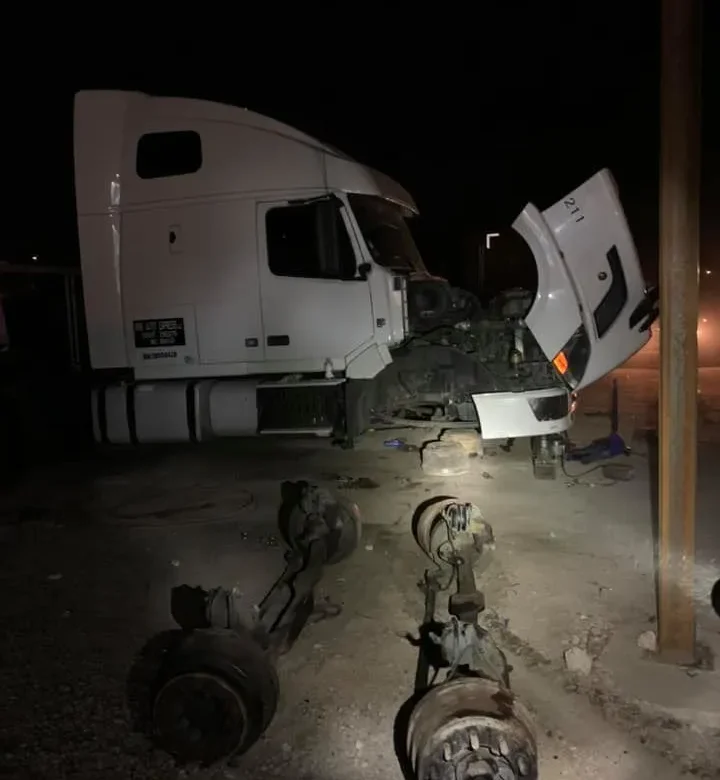
At Tucson Truck Repair & Towing, we use vehicle wiring diagrams, specialized testing equipment, manufacturer repair procedures, and hands-on experience to troubleshoot complex semi-truck problems. Our focus includes advanced semi-truck repair, semi-truck towing, and heavy-duty recovery. We work on engines, transmissions, clutches, differentials, electrical systems, aftertreatment equipment, trailers, and other major heavy-duty components.

What Is the First Step in Diagnosing a Heavy Truck Breakdown?

The first step is gathering detailed information from the driver. Drivers often notice changes in performance before a truck becomes disabled, so their observations can help the technician determine where to begin.

A mechanic may ask:

  • When did the problem begin?
  • Did the truck lose power suddenly or gradually?
  • Which warning lights appeared?
  • Were there unusual sounds, odors, vibrations, or smoke?
  • Did the problem occur while accelerating, climbing, shifting, braking, or idling?
  • Has the truck recently received repairs?
  • Does the problem happen continuously or only under specific conditions?

For example, a truck that loses power while climbing could have an engine, turbocharger, fuel, transmission, or aftertreatment issue. A truck that will not move may have a clutch, transmission, driveline, differential, air system, or electrical problem.

The driver’s description gives the mechanic a useful starting point, but the complaint must still be verified through inspection and testing.

How Is a Semi Truck Visually Inspected?

After gathering information, the mechanic performs a visual and physical inspection. This step helps identify visible damage and provides clues that guide more advanced testing.

The technician may inspect for:

  • Engine oil, coolant, fuel, or air leaks
  • Damaged wiring or electrical connectors
  • Loose power or ground connections
  • Cracked hoses or charge-air piping
  • Broken belts, clamps, or mounting hardware
  • Signs of overheating
  • Low or contaminated fluids
  • Damaged driveline components
  • Trailer axle, spindle, brake, or suspension damage
  • Excessive exhaust smoke

Mechanics also listen for abnormal sounds from the engine, turbocharger, air compressor, transmission, differential, and driveline.

Visible damage does not always reveal the entire problem. A melted electrical connector, for example, could result from excessive resistance, heat from another component, or damage elsewhere in the circuit. The technician must determine whether the visible issue caused the breakdown or developed because of another failure.

Using Computer Diagnostics to Identify Heavy Truck Problems

Heavy truck mechanics use manufacturer-specific diagnostic software to retrieve trouble codes, review live operating data, perform commanded tests, and check communication between electronic control modules. A fault code identifies the system that detected a problem, but it does not always identify the failed component. Technicians must compare the code, live readings, wiring diagrams, physical symptoms, and test results before confirming the root cause.

Distinguishing Mechanical Failures from Electrical Issues

Many heavy truck symptoms can have both mechanical and electrical causes. Technicians use targeted testing to determine which type of failure is present.

Mechanical Testing

Mechanical testing measures the physical condition and performance of truck components. Depending on the problem, mechanics may perform the following:

  • Engine compression testing
  • Fuel pressure testing
  • Cooling system pressure testing
  • Engine oil pressure testing
  • Turbocharger and charge-air system testing
  • Air brake and air supply testing
  • Transmission operational testing
  • Driveline and differential inspection

Suppose a truck has low power. The cause could be poor compression, inadequate fuel pressure, a boost leak, a restricted exhaust system, or another mechanical problem. Testing narrows the possibilities and prevents technicians from replacing parts based only on assumptions.

Mechanical inspections may also reveal wear, internal damage, fluid contamination, or pressure loss that cannot be identified through a basic visual examination.

Electrical Testing

Electrical problems may involve batteries, starters, alternators, sensors, wiring harnesses, connectors, control modules, or communication networks.

Mechanics may test:

  • Circuit voltage
  • Power and ground connections
  • Voltage drops
  • Resistance and continuity
  • Sensor signals
  • Starter and charging performance
  • Wiring harness condition
  • Communication between electronic modules

A wire may look intact during a visual inspection but fail when placed under electrical load. Voltage-drop testing can reveal corrosion, loose connections, damaged cables, and excessive resistance that may otherwise be difficult to find.

The most accurate diagnosis often comes from combining electrical testing with a thorough mechanical inspection.

How Are DPF, DEF, DOC, and SCR Problems Diagnosed?

Heavy truck aftertreatment systems include several components that must work together. These may include the diesel oxidation catalyst, diesel particulate filter, selective catalytic reduction system, DEF equipment, pressure sensors, temperature sensors, and NOx sensors.

When an emissions warning appears, clearing the fault code or warning light or forcing a regeneration may not correct the underlying problem.

A technician may evaluate the following:

  • DPF soot and ash loading
  • DPF differential pressure
  • Exhaust temperature sensors
  • NOx sensor performance
  • DEF quality and supply
  • DEF pump operation
  • DEF dosing performance
  • Exhaust leaks
  • Pressure sensor accuracy
  • Engine conditions that prevent regeneration

A failed regeneration may result from low exhaust temperature, inaccurate sensor readings, poor DEF delivery, excessive soot production, or an underlying engine problem.

The engine, turbocharger, fuel system, engine brake, and exhaust components all influence aftertreatment performance. Proper diagnosis requires understanding how these systems work together rather than treating the DPF or DEF equipment as an isolated component.

How Are Transmission and Clutch Problems Diagnosed?

Automated manual transmissions and electronically controlled clutch systems require both mechanical inspection and specialized testing.

A technician may check the following:

  • Clutch actuator movement
  • Input and output speed sensors
  • Air pressure
  • Power and ground connections
  • Wiring and communication circuits
  • Clutch wear
  • Shift performance
  • Transmission fluid condition
  • Calibration and relearn status

Delayed shifts, missed gears, failure to engage, or unexpected shifts into neutral do not always mean the entire transmission has failed. The cause may be a sensor, actuator, wiring circuit, air supply problem, worn clutch, incorrect calibration, or internal mechanical damage.

After certain repairs, the technician may need to complete clutch or transmission calibration or relearn procedures. These procedures allow the electronic control system to recognize repaired or replaced components and operate them correctly.

What Is the Step-by-Step Heavy Truck Diagnostic Process?

Although the exact procedure depends on the truck and its symptoms, most diagnoses follow a structured sequence:

  1. Gather information from the driver. The technician documents symptoms, warning lights, operating conditions, and recent repairs.
  2. Verify the complaint. When it is safe and practical, the mechanic confirms the reported condition.
  3. Perform a visual inspection. The truck is checked for leaks, damaged components, loose connections, and other physical evidence.
  4. Identify the affected system. The technician determines whether the problem appears to involve the engine, transmission, electrical system, aftertreatment equipment, air system, driveline, or trailer.
  5. Perform targeted testing. Mechanical, electrical, pressure, and component tests are completed based on the evidence collected.
  6. Compare the findings. The technician evaluates the test results alongside the driver’s description and the physical inspection.
  7. Confirm the root cause. The failure is verified before major repairs or parts replacement begins.
  8. Complete the repair. The damaged component or system is repaired using the appropriate procedure.
  9. Calibrate and retest. Required programming or learned procedures are completed, and the truck is tested again.

This method reduces unnecessary parts replacement and lowers the risk of the same problem returning after the repair.

When Does a Breakdown Require Semi-Truck Towing?

A semi-truck may need towing when it cannot be driven safely, continued operation could cause additional damage, or the required repair must be completed in a properly equipped facility.

Common examples include:

  • Major engine failures
  • Transmission or clutch failures
  • Differential or driveline damage
  • Severe overheating
  • Unsafe brake or air system conditions
  • Extensive electrical failures
  • Damaged trailer axles or spindles
  • Breakdowns requiring component removal

Semi-truck towing requires equipment and operators familiar with the size, weight, and configuration of commercial trucks. The condition of the tractor, trailer, driveline, suspension, and cargo must be considered before the vehicle is moved.

Tucson Truck Repair & Towing provides semi-truck towing throughout Southern Arizona. We can handle different makes and models of semi-trucks and tow disabled vehicles safely to the appropriate destination. Coordinating towing with advanced repair can also reduce delays caused by moving the truck between unrelated service providers.

When Is Heavy-Duty Recovery Necessary?

Heavy-duty recovery may be required when a commercial truck cannot be safely accessed or connected for a standard tow, such as after a rollover, severe collision, off-road incident, or breakdown on unstable terrain. These situations may require controlled lifting, winching, stabilization, or repositioning before transportation. Tucson Truck Repair & Towing provides heavy-duty recovery to safely prepare disabled tractor-trailers for towing or repair.

What Happens After the Breakdown Is Diagnosed?

Once the root cause is confirmed, the mechanic should explain what failed, why it failed, and which repair is recommended.

After completing the repair, the technician may:

  • Reconnect electrical and fluid systems
  • Perform required software calibrations
  • Complete clutch or transmission learning procedures
  • Inspect for leaks
  • Verify proper fluid and air pressure
  • Confirm that warning lights remain off
  • Test the repaired system under operating conditions

Replacing a component does not automatically prove that the truck has been repaired correctly. Final testing verifies that the affected system operates as intended and that no related problems remain.

Frequently Asked Questions

How long does it take to diagnose a heavy truck breakdown?

Diagnostic time depends on the complexity of the problem. A visible leak or damaged component may be found quickly, while an intermittent electrical, transmission, or aftertreatment problem may require more extensive testing.

Can intermittent heavy truck problems be diagnosed?

Yes. Mechanics may inspect wiring connections, sensors, mechanical components, and operating conditions while attempting to recreate the problem. Intermittent issues often require additional time because the failure may not be present during the first inspection.

When should a disabled semi-truck be towed?

A truck should be towed when it cannot be driven safely, when continued operation may cause further damage, or when the required repair must be completed in a properly equipped shop.

What is the difference between towing and heavy-duty recovery?

Towing transports a disabled truck after it can be safely connected to towing equipment. Heavy-duty recovery may involve lifting, winching, stabilizing, or repositioning a truck after a rollover, collision, or off-road incident before it can be towed.

Get Heavy Truck Diagnostics, Towing, and Recovery in Tucson

Accurate diagnosis is the foundation of dependable heavy truck repair. It helps reduce unnecessary parts replacement, repeated failures, and costly downtime.

Tucson Truck Repair & Towing provides advanced semi-truck diagnostics, complex mechanical and electrical repairs, aftertreatment work, transmission and clutch service, trailer repair, semi-truck towing, and heavy-duty recovery.

We serve drivers, owner-operators, and fleets in Tucson and throughout Southern Arizona. Contact us at 520-665-9550 when your semi truck needs professional diagnostics, advanced repair, secure towing, or heavy-duty recovery.

When Are Rotator Solutions Needed for Heavy Recovery

When Are Rotator Solutions Needed for Heavy Recovery

Rotator recovery is typically needed when a disabled, overturned, jackknifed, or immobilized commercial truck cannot be recovered safely with a conventional heavy-duty tow truck alone. A rotator wrecker provides the reach, lifting capacity, stability, and controlled movement required to reposition semi-trucks and trailers in difficult or hazardous locations.

These situations may involve an overturned tractor-trailer, a truck below the roadway, shifted cargo, severe collision damage, unstable terrain, or restricted access around the vehicle. In each case, the recovery team must consider the truck’s position, weight, mechanical condition, cargo, surrounding hazards, and available attachment points before moving the vehicle.

At Tucson Truck Repair & Towing, we use specialized heavy recovery equipment, including a 50-ton rotator and a 35-ton wrecker, to handle complex commercial truck incidents throughout Tucson and Southern Arizona. We also provide advanced semi-truck and trailer repairs, allowing us to recover the vehicle, diagnose the underlying problem, and complete major repairs when needed.

What Is a Rotator Wrecker?

A rotator wrecker is a heavy recovery truck equipped with a hydraulic boom mounted on a rotating turntable that can work from multiple angles. Unlike a conventional wrecker, which may need to be moved several times to establish a different pulling angle, a rotator can adjust its boom while remaining stabilized in one position.

Rotator recovery equipment commonly includes:

  • A rotating hydraulic boom
  • Heavy-duty winches and recovery lines
  • Stabilizing outriggers
  • Specialized rigging equipment
  • Load-management controls
  • Heavy towing components

These systems allow trained operators to lift, rotate, upright, and reposition large commercial vehicles with greater control.

The rotating boom is especially useful when the recovery truck has limited room to maneuver. This may occur along a narrow highway shoulder, beside a concrete barrier, near an embankment, inside a crowded truck yard, or at an accident scene where traffic restricts equipment placement.

When Is a Rotator Needed for Heavy Recovery?

Not every disabled semi-truck requires a rotator. A conventional heavy-duty wrecker may be sufficient when the truck is upright, stable, accessible, and suitable for towing.

A rotator is generally needed when the position, weight, damage, cargo, or surrounding conditions require more reach, lifting capacity, or control than conventional towing can provide.

Overturned Semi-Trucks and Trailers

An overturned tractor-trailer must be stabilized before it can be returned to an upright position. The recovery team must evaluate the tractor, trailer, cargo, axle configuration, road surface, center of gravity, and extent of the damage.

Simply pulling an overturned vehicle from one direction may cause it to shift unexpectedly. It may also place excessive stress on the frame, suspension, trailer body, cargo, or recovery equipment.

A rotator allows the recovery team to establish controlled lifting and pulling points. The boom can be positioned to help manage the truck’s movement throughout the uprighting process. Depending on the incident, additional wreckers, support vehicles, or cargo-handling equipment may also be required.

Jackknifed Tractor-Trailers

A jackknife occurs when the tractor and trailer fold toward each other at a severe angle. The vehicle may block several traffic lanes and place significant pressure on the fifth wheel, landing gear, frame, axles, and trailer components.

Even when the engine remains operational, the truck may be unable to move safely. Damage to the steering, driveline, suspension, air system, or coupling components may prevent the vehicle from being driven or conventionally towed.

Rotator equipment can help reposition the tractor or trailer while maintaining control over the load. Because the boom can rotate, the recovery team can apply force from an appropriate direction without repeatedly moving the entire recovery truck around the scene.

Trucks Below the Roadway

Semi-trucks may leave the roadway because of a collision, mechanical failure, unstable shoulder, poor visibility, severe weather, or an evasive maneuver. Once a tractor-trailer enters a ditch, median, wash, or embankment, the recovery becomes more difficult.

The vehicle’s angle may limit access to usable attachment points. Soft soil, loose gravel, steep slopes, and roadside barriers can also restrict where the recovery equipment can be positioned.

A rotator may be able to reach over a barrier or down an embankment while remaining stabilized on firmer ground. Multiple winch lines can be used to control the truck’s movement and reduce the risk of rolling, sliding, or shifting during extraction.

Shifted or Unstable Cargo

Cargo movement can significantly change a trailer’s center of gravity. This becomes especially dangerous when the trailer is overturned, partially rolled, leaning, or resting on uneven terrain.

Before the vehicle is moved, the recovery team may need to determine whether the cargo should be secured, transferred, or partially unloaded. Attempting to recover an unstable trailer without addressing its load could cause another rollover or place excessive force on damaged trailer components.

Rotator equipment can support controlled lifting during a cargo transfer or trailer repositioning. The recovery plan should account for cargo weight, trailer condition, access to the load, and the possibility of additional movement.

Severe Collision Damage

A tractor-trailer involved in a major collision may have damaged wheels, axles, suspension parts, steering components, landing gear, frame sections, or driveline components. The truck may remain upright but still be unsafe to tow using conventional methods.

A rotator may be used to lift a damaged portion of the truck, separate connected vehicles, reposition a trailer, or place the vehicle where it can be prepared for towing.

Controlled lifting can help prevent compromised parts from dragging across the roadway or causing further damage during removal.

Limited Access Around the Vehicle

Some recovery scenes do not provide enough room for a standard heavy-duty wrecker to line up directly with the disabled truck.

Concrete barriers, parked trailers, buildings, loading docks, traffic, overhead obstacles, or narrow shoulders may restrict positioning. Because a rotator boom can work from several directions, the recovery truck may remain in a stable location while the operator adjusts the pulling or lifting angle.

This flexibility can reduce unnecessary equipment movement and help the recovery team work within a confined area.

How Does Rotator Equipment Improve Recovery Safety?

Heavy recovery involves moving extremely heavy commercial vehicles, often near active traffic or unstable terrain, often beside active traffic or on unstable terrain. Safety depends on more than the size of the tow truck. It requires appropriate equipment, careful planning, proper rigging, and experienced operators.

Stable Equipment Positioning

Rotator wreckers use outriggers to create a wider and more stable operating base. Before deploying the equipment, the recovery team must evaluate the condition of the ground.

Soft shoulders, sloped terrain, drainage areas, underground structures, and loose soil can affect equipment stability. The rotator must be positioned so that the boom, outriggers, rigging, and winches can operate within safe limits.

Controlled Lifting and Pulling

A rotator allows the operator to manage the vehicle’s movement rather than relying only on a straight pulling force. Controlled lifting can reduce dragging and help prevent sudden shifts involving the truck, trailer, or cargo.

The equipment does not eliminate risk, but it gives trained operators more options for managing complicated vehicle positions.

Reduced Equipment Repositioning

Changing the pulling angle with a conventional wrecker may require the entire truck to be moved. At a busy accident scene, every additional movement can increase traffic exposure and extend the recovery process.

A rotating boom provides more flexibility from one stabilized position. The operator must still follow the recovery plan, monitor the load, and remain within the equipment’s operating limits.

Better Access to Recovery Points

Damaged commercial vehicles may have limited usable attachment points. The rotator’s reach can help operators access appropriate recovery locations without placing the wrecker or ground crew in an unsafe position.

Proper attachment points are essential because connecting to a damaged or unsuitable component could cause further vehicle damage or create an uncontrolled movement.

How Is a Heavy Recovery Plan Developed?

No two heavy recovery scenes are exactly alike. Before moving the vehicle, the recovery team must evaluate the entire situation and determine which equipment and techniques are appropriate.

The assessment may include:

  • Tractor, trailer, and cargo weight
  • Vehicle position and angle
  • Trailer type and axle configuration
  • Cargo condition and stability
  • Frame, suspension, axle, and driveline damage
  • Road and ground conditions
  • Traffic exposure
  • Nearby structures, barriers, and power lines
  • Available attachment points
  • Equipment needed after the vehicle is recovered

The team then determines where the recovery vehicles should be positioned, how the disabled truck will be stabilized, which rigging points should be used, and how each movement will be controlled.

Communication is also essential. Operators and ground personnel must understand the sequence of the recovery, remain clear of moving equipment, and be prepared to stop if the truck, cargo, terrain, or rigging behaves differently than expected.

When Is a Rotator Not Necessary?

A rotator is not automatically required whenever a semi-truck becomes disabled. If the vehicle is upright, accessible, structurally stable, and suitable for towing, a conventional heavy-duty wrecker may be the more practical solution.

A truck may not need to be towed when a major mechanical problem can be addressed safely through heavy roadside repair at the scene. Our technicians handle advanced engine, transmission, clutch, aftertreatment, electrical, air, cooling, driveline, and trailer problems rather than routine tire changes or basic maintenance

Tucson Truck Repair & Towing takes a repair-focused approach. When conditions allow, our technicians may diagnose and repair problems involving engines, transmissions, clutches, aftertreatment systems, electrical systems, drivelines, air systems, cooling systems, and trailer components.

When the location, damage, or repair requirements make on-site work unsafe or impractical, we can recover or tow the truck to our Tucson repair facility. The goal is to choose the response that resolves the problem safely and minimizes unnecessary downtime, not to tow every truck automatically.

What Happens After a Heavy Recovery?

Recovering the vehicle does not necessarily make it safe to drive. An overturned, jackknifed, or off-road truck may have mechanical or structural damage that must be identified before it returns to service.

A post-recovery inspection may include:

  • Engine fluid levels and possible fluid migration
  • Oil, fuel, coolant, and air leaks
  • Frame and suspension condition
  • Axles, wheel ends, hubs, and bearings
  • Steering and driveline components
  • Differentials and transmissions
  • Electrical wiring and sensors
  • Air brake components
  • Fifth wheel and coupling systems
  • Trailer frame, axles, body, and landing gear

If the incident began with a mechanical failure, technicians must also identify the original cause. A truck should not return to the road with an unresolved engine, transmission, aftertreatment, electrical, or driveline problem.

Tucson Truck Repair & Towing combines heavy recovery with advanced commercial truck repair. This allows our team to recover the vehicle, tow it when necessary, evaluate the damage, and complete major repairs at our facility.

Heavy Rotator Recovery in Tucson and Southern Arizona

Heavy rotator recovery are needed when a commercial truck recovery requires more reach, stability, lifting capacity, or control than conventional towing equipment can provide. Common examples include overturned tractor-trailers, jackknifed trucks, off-road recoveries, shifted cargo, severe collision damage, and restricted-access scenes.

Tucson Truck Repair & Towing provides heavy towing, rotator recovery, and advanced semi-truck repair in Tucson and throughout Southern Arizona, including Benson, Willcox, Dragoon, Eloy, Bowie, Marana, San Simon, and Nogales.

Our team uses a 50-ton rotator, a 35-ton wrecker, specialized diagnostic equipment, and extensive commercial truck repair experience to manage complex incidents from recovery through repair.

For heavy recovery involving a semi-truck or commercial trailer, contact Tucson Truck Repair & Towing at 520-665-9550. We will evaluate the situation and determine whether the response requires rotator recovery, heavy-duty towing, advanced repair, or a combination of services.

How Does Heavy-Duty Recovery Support Truck Emergencies?

How Does Heavy-Duty Recovery Support Truck Emergencies?

A disabled semi truck can quickly become a major safety and operational problem. An overturned tractor-trailer, serious mechanical failure, damaged axle, or truck stuck off the roadway can interrupt deliveries, block traffic, and create costly downtime for an owner-operator or fleet.

Heavy-duty recovery supports these emergencies by safely stabilizing, lifting, repositioning, extracting, and towing large commercial vehicles. It is designed for situations that require more than light roadside assistance. Rather than handling services such as tire changes or jump-starts, heavy-duty recovery focuses on major incidents involving disabled, damaged, overturned, or immobilized semi trucks and trailers.

At Tucson Truck Repair & Towing, we specialize in heavy-duty recovery, semi-truck towing, and advanced commercial truck repair throughout Tucson and Southern Arizona. Our equipment includes a 35-ton wrecker and a 50-ton rotator for demanding truck and trailer recovery situations.

What Is Heavy-Duty Recovery?

Heavy-duty recovery is the process of moving a commercial vehicle that cannot be handled through routine towing. It may involve recovering a truck from a ditch, uprighting an overturned trailer, repositioning a jackknifed combination, or towing a vehicle after a major mechanical failure.

Semi trucks require specialized recovery methods because of their weight, size, cargo, and mechanical complexity. A recovery team must evaluate the tractor, trailer, surrounding terrain, road conditions, and visible damage before moving the vehicle.

Heavy-duty recovery may be required to:

  • Upright an overturned tractor-trailer
  • Recover a truck from a ditch, embankment, or soft shoulder
  • Reposition a jackknifed tractor and trailer
  • Extract a truck stuck in sand, mud, or uneven terrain
  • Move a vehicle with axle, suspension, or driveline damage
  • Tow a truck after an engine or transmission failure
  • Remove a disabled commercial vehicle from a traffic lane
  • Transport a damaged semi-truck and trailer to a repair facility

Each incident requires a specific recovery plan. Using undersized equipment or applying force from the wrong direction can damage the frame, suspension, trailer, driveline, or cargo.

How Is Heavy-Duty Recovery Different From Roadside Assistance?

Heavy-duty recovery is different from routine roadside service because it addresses disabled, damaged, overturned, or immobilized commercial vehicles that require specialized lifting, winching, extraction, or towing. When a major mechanical problem can be repaired safely at the truck’s location, Tucson Truck Repair & Towing may perform advanced roadside repair. When the scene, damage, or repair requirements make on-site work unsafe or impractical, we recover or tow the truck to our Tucson repair facility.

Tucson Truck Repair & Towing focuses on work that requires advanced equipment and commercial truck expertise. Our services include heavy-duty towing, complex recovery, and advanced repairs involving major truck and trailer systems.

This distinction is important for drivers and fleet managers. When a semi truck develops a serious engine, transmission, clutch, differential, axle, electrical, or aftertreatment problem, we assess whether the issue can be repaired safely on-site or whether the vehicle should be recovered and transported to a properly equipped repair facility.

Why Semi-Truck Emergencies Require Heavy-Duty Towing Equipment

A tractor-trailer can weigh tens of thousands of pounds and may be carrying additional cargo. Its air-brake system, suspension, axles, driveline, fifth wheel, and trailer connections also require special consideration during towing.

Standard tow trucks may not have the lifting capacity, winching strength, or structural support needed to move a semi truck safely. Heavy-duty wreckers are built for commercial vehicles and include reinforced towing assemblies, powerful hydraulic winches, heavy booms, and stabilizing outriggers.

The correct equipment depends on the situation. A tractor with a mechanical failure on stable pavement may require a different setup than a loaded trailer resting on its side beside the highway.

Sending the proper truck and recovery equipment from the beginning can reduce delays, protect the vehicle, and help prevent additional damage.

How Does a Rotator Support Complex Recoveries?

A rotator is one of the most versatile pieces of equipment used in heavy-duty recovery. Its rotating boom allows operators to lift, pull, and reposition vehicles from multiple angles.

Tucson Truck Repair & Towing operates a 50-ton rotator for difficult semi-truck and trailer recoveries. It can be especially useful when a vehicle is overturned, positioned off the roadway, blocking access, or resting at an unusual angle.

Rotator recovery may be appropriate for:

  • Overturned semi trucks and trailers
  • Jackknifed tractor-trailers
  • Trucks located on embankments
  • Vehicles with unstable or shifted weight
  • Recovery sites with limited working space
  • Controlled lifting and repositioning
  • Trucks that cannot be approached directly

The rotator uses outriggers to create a stable working platform. Operators can then position the boom and winch lines based on the truck’s location and condition.

The equipment alone does not determine the outcome. Operators must understand vehicle structure, load distribution, safe connection points, and how the tractor or trailer may shift while being moved.

What Happens During a Heavy-Duty Recovery?

A professional recovery begins with a detailed assessment. The truck should not be pulled or lifted until the recovery team understands the vehicle’s position, damage, and surrounding conditions.

The Scene Is Evaluated

Operators inspect the tractor, trailer, cargo, road access, terrain, traffic, and available working space. They may also identify hazards such as leaking fluids, damaged electrical systems, broken suspension components, or shifted cargo.

The team then determines the appropriate recovery vehicle, rigging equipment, and towing method.

The Vehicle Is Stabilized

An overturned or leaning truck may need to be stabilized before recovery lines can be attached. This helps prevent unexpected movement while the team prepares the vehicle.

Stabilization may also be necessary when the truck has damaged axles, a failed suspension, a disconnected driveline, or structural damage.

Equipment and Recovery Lines Are Positioned

Operators identify appropriate attachment points and position the winches, chains, straps, booms, or towing assemblies.

The direction and angle of the pull must be carefully planned. Incorrect positioning can place excessive force on the truck’s frame, axles, suspension, fifth wheel, or trailer structure.

The Truck Is Recovered

The truck may be uprighted, realigned, pulled onto stable ground, or moved away from traffic. Operators continuously monitor its position and adjust the winch tension or boom angle as needed.

Heavy-duty recovery relies on controlled movement rather than simply applying maximum force.

The Vehicle Is Prepared for Towing

Once the truck has been recovered, the team evaluates whether it can be safely operated. A vehicle with major mechanical or structural damage will usually require towing.

Additional preparation may be needed when there is damage to the driveline, axles, air system, brakes, suspension, or trailer components.

What Truck Emergencies Require Heavy-Duty Recovery?

Rollover Accidents

An overturned tractor-trailer must be stabilized before it can be uprighted. The recovery team considers the vehicle’s weight, cargo, fuel system, trailer position, and surrounding terrain.

After the truck is upright, it may still need to be towed because of frame, suspension, axle, engine, or trailer damage.

Jackknifed Tractor-Trailers

A jackknifed truck can block multiple lanes and place significant stress on the tractor, trailer, fifth wheel, and connecting components.

Recovery may involve carefully repositioning, separating, or realigning the combination before it can be transported.

Trucks Stuck Off the Roadway

Semi trucks can become stuck on soft shoulders, desert terrain, sand, mud, drainage areas, or embankments. Continuing to drive may cause the vehicle to sink deeper or lean farther.

Operators evaluate the ground and choose a recovery angle that helps return the truck to a stable surface while protecting its axles, suspension, and driveline.

Major Mechanical Failures

Some trucks require towing even when no collision has occurred. A major mechanical failure can leave a vehicle immobilized on a highway, at a truck stop, in a loading area, or along a remote freight route.

Problems that may require towing include:

  • Engine failures
  • Transmission or clutch problems
  • Damaged differentials
  • Dropped drivelines
  • Electrical system failures
  • Air-system problems
  • Cooling-system failures
  • Axle or suspension damage
  • Aftertreatment system problems

These situations require more than minor roadside assistance. The truck may need to be transported to a shop capable of diagnosing and repairing advanced commercial systems.

Trailer and Axle Damage

Trailer failures can prevent the entire combination from moving safely. Burned wheel ends, damaged spindles, failed axles, brake problems, or structural damage may require recovery and towing.

Because the tractor and trailer operate as a connected combination, the recovery plan must account for the condition of both vehicles.

How Towing and Repair Services Help Reduce Downtime

Downtime directly affects trucking companies and owner-operators. A disabled truck can delay a delivery, interrupt another scheduled load, reduce available driving time, and increase towing or storage costs.

Working with a company that provides both heavy-duty towing and advanced repair can make the process more efficient. Instead of transporting the truck to a facility that may not be equipped for the problem, it can be taken to a shop that handles complex semi-truck repairs.

Tucson Truck Repair & Towing works on:

  • Engines and engine-related problems
  • Transmissions and clutches
  • Differentials and drivelines
  • Electrical and wiring problems
  • Air systems
  • Radiators and cooling systems
  • Aftertreatment systems
  • Axles and trailer components
  • Major truck and trailer repairs

Our technicians also use manufacturer-level diagnostic software and vehicle-specific wiring information to identify difficult problems. This combination of recovery, towing, diagnostics, and repair helps move the truck from the emergency scene into the repair process without unnecessary stops.

Why Southern Arizona Experience Matters

Commercial truck emergencies in Southern Arizona can involve high temperatures, long distances, desert terrain, soft shoulders, and limited repair options between cities.

Drivers traveling through Tucson, Benson, Willcox, Dragoon, Eloy, Bowie, Marana, San Simon, and Nogales may be far from their regular service provider when a major breakdown occurs.

We evaluate whether the truck requires recovery, towing, advanced roadside repair, or transport to our repair facility. Tucson Truck Repair & Towing can also tow a semi truck and trailer together when the vehicle’s condition and recovery circumstances allow.

Heavy-Duty Recovery and Semi-Truck Towing in Tucson, AZ

Heavy-duty recovery supports truck emergencies by safely stabilizing, extracting, repositioning, and towing disabled commercial vehicles. It is intended for major incidents, not routine tire changes, jump-starts, or basic maintenance services.

Tucson Truck Repair & Towing focuses on demanding semi-truck and trailer work, including heavy-duty recovery, commercial towing, advanced diagnostics, and complex repairs. With a 35-ton wrecker, a 50-ton rotator, and experience with major truck systems, we are prepared to handle serious commercial vehicle emergencies throughout Tucson and Southern Arizona.

Contact us at 520-665-9550 for heavy-duty recovery, semi-truck towing, or advanced truck repair in Tucson and the surrounding region.