Towing a semi truck in Southern Arizona isn’t a simple roadside task—it’s a complex operation that demands specialized equipment, highly trained technicians, and a deep understanding of vehicle dynamics, safety protocols, and recovery procedures. When done correctly, a tow protects the driver, the truck, the cargo, and everyone else on the road. When done improperly, it can lead to costly damage, dangerous situations, and extended downtime.
At Tucson Truck Repair & Towing, we handle the heavy jobs other companies can’t. From major breakdowns on I-10 to long-distance recoveries across the Southwest, our team uses advanced equipment, proven techniques, and real-world experience to keep drivers moving safely throughout Tucson and surrounding areas.
This guide explains what truly makes a semi truck tow safe—and why choosing the right towing provider in Southern Arizona matters more than most drivers realize.
Why Semi Truck Towing Requires Specialized Expertise
A fully loaded semi can weigh up to 80,000 pounds or more. Unlike passenger vehicles, commercial trucks require precise handling, reinforced equipment, and professional-grade recovery methods.
Safe towing depends on three critical factors:
- Proper equipment
- Correct towing techniques
- Experienced, trained operators
Without all three, the risk of equipment failure, roadway accidents, or costly mechanical damage increases significantly.
That’s why professional towing operations are built around heavy-duty systems designed specifically for commercial vehicles, not light-duty tow trucks or improvised setups.
Heavy-Duty Equipment Built for Safe Semi Truck Towing
Heavy-Duty Tow Trucks
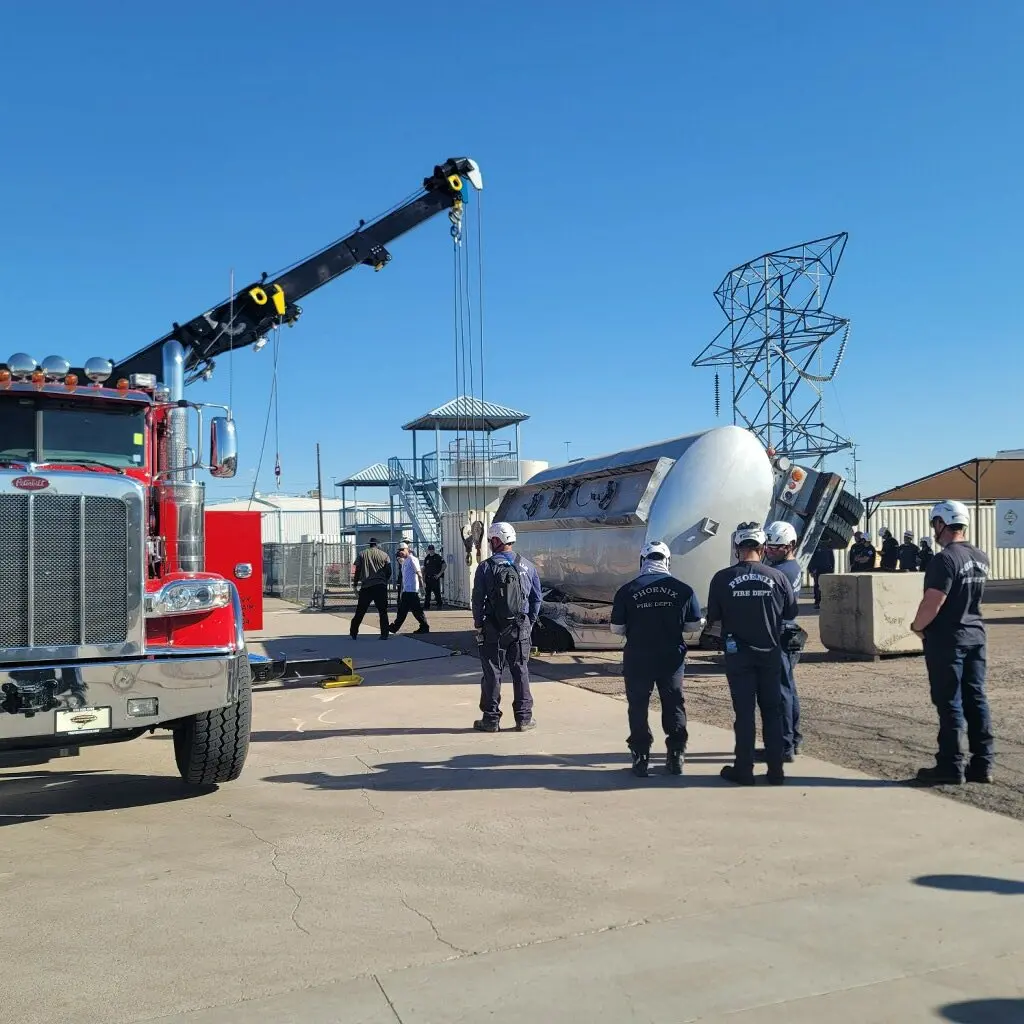
At the core of any safe semi truck tow is a properly equipped heavy-duty wrecker. These trucks are engineered to handle extreme weight and stress while maintaining stability and control.
Key features include:
- High-torque diesel engines (such as Cummins X15 platforms)
- Reinforced frames and suspensions
- Heavy-duty braking systems
- Outriggers for stability during recovery
- Integrated hydraulic systems
These trucks are built to handle loads far beyond what standard tow trucks can manage, allowing operators to perform recoveries safely and efficiently.
Hydraulic Booms, Winches & Wheel Lifts
Hydraulic booms allow operators to lift and position disabled trucks with precision. Unlike traditional towing methods, hydraulic systems provide controlled movement that minimizes the risk of sudden shifts or instability.
Winches play an equally important role:
- Electric winches are ideal for lighter recoveries and quick setups
- Hydraulic winches deliver the pulling power needed for heavy or overturned vehicles
Wheel lifts cradle tires securely, preventing damage during transport and ensuring the vehicle remains stable throughout the tow.
When these systems work together, they create a controlled, predictable recovery process, critical for both safety and efficiency.
Equipment Inspections & Safety Compliance
Even the best equipment can fail if it isn’t properly maintained. That’s why professional towing operations conduct thorough inspections before every job.
This includes checking:
- Winch cables and load ratings
- Hydraulic pressure systems
- Chain integrity and attachment points
- Brake synchronization
- Lighting and visibility equipment
All components must meet or exceed 1.5x the gross vehicle weight rating, ensuring safe operation even under extreme conditions.
High-visibility lighting and DOT-approved reflective markings also play a key role, especially during night recoveries or highway operations where visibility is limited.
Advanced Technology That Improves Towing Safety
Modern towing is no longer just mechanical; it’s technological.
GPS & Telematics
Real-time tracking systems allow dispatchers to monitor vehicle location, traffic conditions, and route efficiency. This helps avoid hazards, reduce response times, and keep drivers informed throughout the recovery.
Load Monitoring Systems
Advanced sensors monitor weight distribution and tension in real time. If loads shift or stress levels rise, operators are alerted immediately, preventing failures before they occur.
Remote-Controlled Recovery Equipment
Remote-controlled booms allow operators to perform recoveries from a safe distance, reducing the risk of injury when working around unstable vehicles or hazardous terrain.
Collision Avoidance Systems
Modern tow trucks are increasingly equipped with radar and camera-based safety systems that detect obstacles and assist with braking, dramatically reducing accident risk.
These technologies don’t just improve efficiency; they protect lives.
Proven Towing Techniques That Prevent Accidents
Proper Hookup and Load Balance
A safe tow begins with proper positioning and secure attachment. Safety chains, wheel cradles, and mounting points must be checked and double-checked before movement begins.
Load distribution is critical. Uneven weight can cause:
- Trailer sway
- Brake imbalance
- Steering instability
- Increased rollover risk
Experienced operators know how to balance loads correctly based on vehicle type, weight, and road conditions.
Controlled Driving Practices
Towing a semi truck requires a different driving approach than normal operation.
Professional operators:
- Accelerate gradually
- Maintain extended following distances
- Brake smoothly
- Reduce speed on curves and grades
- Adjust for wind and road conditions
Sudden movements can cause jackknifing or fishtailing, some of the most dangerous scenarios.
Towing in Severe Weather Conditions
Weather dramatically increases the complexity of towing operations.
Rain, snow, and ice can:
- Reduce traction by up to 70%
- Increase stopping distance
- Limit visibility
- Increase risk of load shifting
To compensate, professional towing teams rely on:
- Electronic stability control (ESC)
- Anti-lock braking systems (ABS)
- High-output lighting
- All-terrain tires
- Heavy-duty tie-down systems
In extreme conditions, speeds are reduced by 25–35%, and additional safety checks are performed before transport begins.
Choosing the Right Tow Vehicle
Not all tow trucks are capable of handling semi-truck recoveries.
A proper heavy-duty tow vehicle should include:
- 80,000+ lb towing capacity
- High-torque diesel engine
- Multi-speed heavy-duty transmission
- Reinforced suspension
- Hydraulic boom and winch systems
- Flatbed or rotator capability
These features allow safe handling of disabled tractors, trailers, and complex recoveries without risking damage or instability.
The Importance of Training and Certification
Even the best equipment is useless without trained operators.
Professional towing companies invest in ongoing education through organizations such as the Towing and Recovery Association of America (TRAA). Certification ensures technicians are trained in:
- Advanced recovery techniques
- Load calculations
- Scene safety
- Equipment operation
- Hazard mitigation
As vehicle technology evolves, especially with emissions systems and electronics, continued training becomes essential.
At Tucson Truck Repair & Towing, technicians undergo continuous training to stay ahead of industry changes and ensure every recovery is done right the first time.
Why Safe Towing Matters
Safe semi truck towing isn’t about speed; it’s about precision, preparation, and professionalism.
When done correctly, it:
- Reduces downtime
- Prevents additional vehicle damage
- Protects drivers and cargo
- Minimizes roadway risk
- Saves money in the long run
For owner-operators and fleets alike, choosing a qualified towing provider can make the difference between a minor delay and a major financial setback.
Trusted Heavy-Duty Towing in Southern Arizona
At Tucson Truck Repair & Towing, we specialize in the jobs others can’t handle. From roadside breakdowns to complex heavy recoveries, our team delivers:
- 24/7 heavy-duty towing
- Advanced recovery equipment
- Experienced, certified technicians
- Fast response across Southern Arizona
- Reliable, professional service you can trust
When your truck is down, you don’t need guesswork; you need experts who know exactly what they’re doing.
Need Professional Semi Truck Towing Or Roadside Repair?
When you need dependable semi truck towing or expert roadside repair, trust the team that handles the toughest jobs with precision and care.
Contact Tucson Truck Repair & Towing at (520) 665-9550 for fast, professional service you can rely on, day or night. We’ll get you back on the road safely, efficiently, and done right the first time.